
Look, I used to be that person slathering on every cream promising smoother skin. Then I started digging into why some people’s skin just naturally looks amazing while others (like me) struggle with texture issues no matter what we try.
Turns out, most of us have been looking at this completely wrong. Your bumpy, uneven skin isn’t just a surface problem that needs the right product. It’s actually your body’s way of telling you that something deeper is going on – with your energy levels, your stress responses, even the tiny organisms living on your face.
Research shows that “ceramides are vital for a well-structured outer skin layer or stratum corneum (SC) where they work to keep the skin barrier intact and hydrated” according to Laser Clinics Canada, but what they don’t tell you is how your internal systems control whether your skin can actually use these building blocks properly.
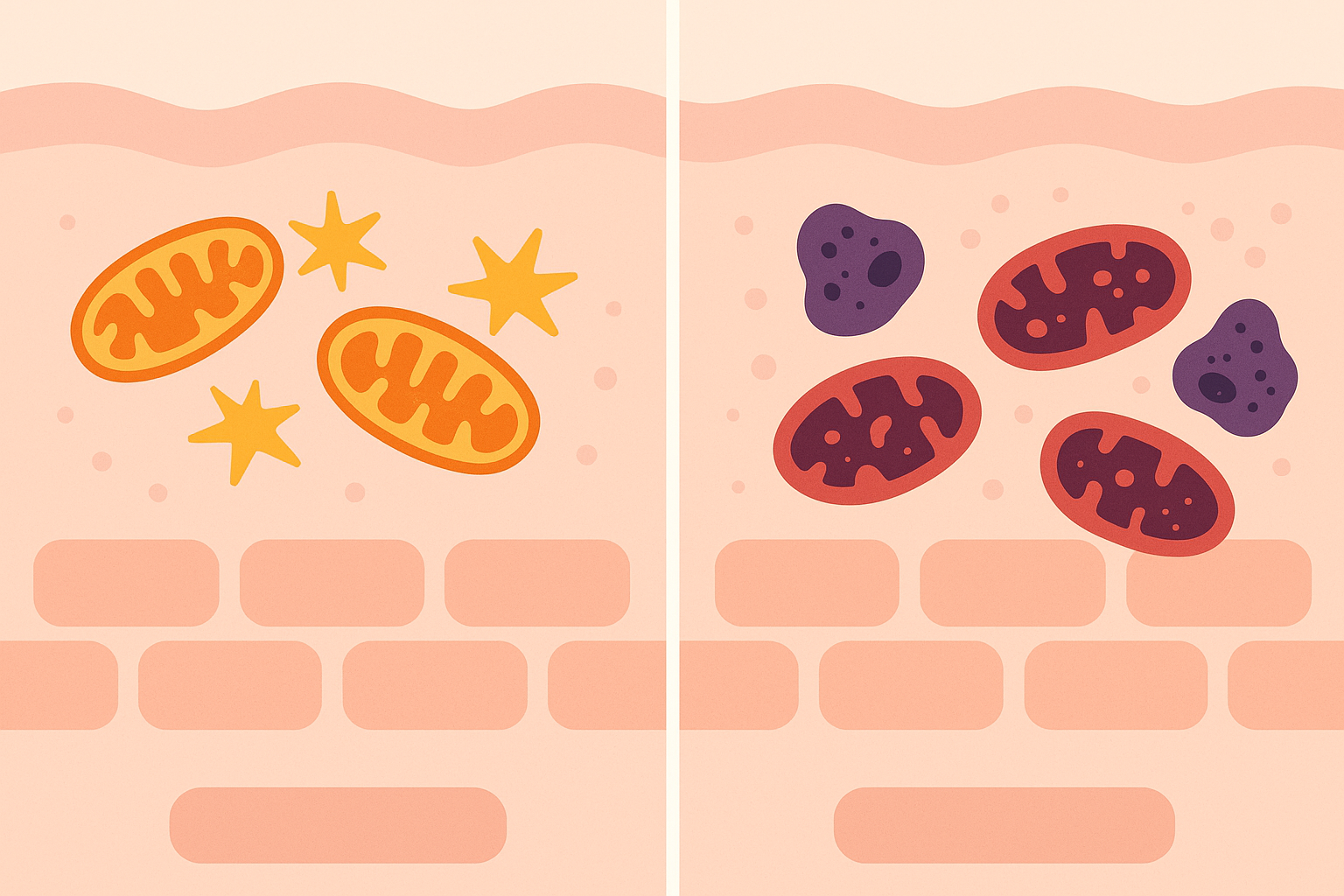
Table of Contents
- The Real Story Behind Cellular Energy and Skin Texture
- Your Skin’s Secret Ecosystem: Microbes That Make or Break Texture
- How Your Nervous System Controls Your Skin’s Appearance
- Timing Your Way to Better Skin: Circadian Optimization Secrets
- Putting It All Together: Advanced Integration Strategies
- Final Thoughts
TL;DR
- Your skin texture problems probably start with your cells running on empty – when they don’t have enough energy, they can’t fix themselves properly
- The bacteria and fungi living on your skin are basically having conversations that determine whether your texture stays smooth or gets bumpy
- Chronic stress literally rewires your skin through hormone cascades that most people don’t even know exist
- Your body has specific time windows when skin repair happens best – work with these natural rhythms instead of against them
- Real texture improvement means fixing multiple systems at once, not just slapping on another serum
- Track what actually works for YOUR body instead of following someone else’s routine blindly
The Real Story Behind Cellular Energy and Skin Texture
Here’s something that blew my mind: your textured skin might actually be an energy problem, not a skincare problem.
Think about it like this – when your phone battery is dying, everything starts glitching. Same thing happens with your skin cells. When they’re running on empty, they can’t do the basic maintenance that keeps your skin smooth.
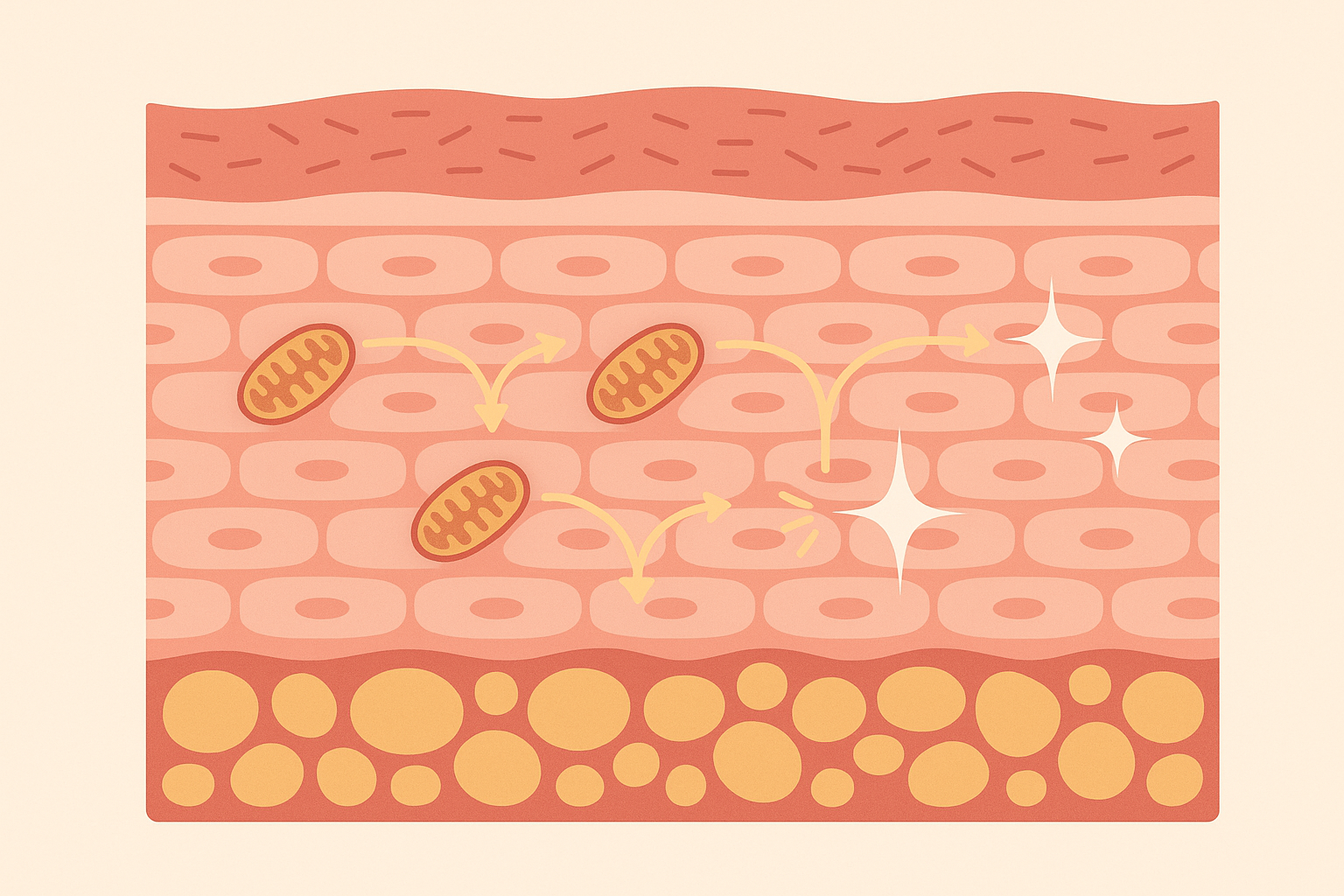
When Your Cellular Powerhouses Fail, Your Skin Shows It First
Your cells have these tiny power plants called mitochondria. When they’re not working properly, your skin is literally the first place it shows up. Why? Because smooth, healthy skin requires a ton of energy to maintain.
It’s like trying to renovate your house when the power keeps going out – nothing gets fixed properly.
When addressing cellular energy dysfunction that affects skin texture, it’s crucial to understand that NAD+ cellular energy serves as the foundation for all cellular repair processes, including those that maintain smooth skin texture.
The NAD+ Connection: Your Skin’s Hidden Energy Crisis
Think of NAD+ like the battery in your phone. When it’s running low, everything starts glitching – including your skin’s ability to fix itself. Your cells literally don’t have enough juice to make the repairs that keep your skin smooth.
Here’s what you can actually do about it:
Pay attention to your energy levels throughout the day. Do you notice your skin looking worse when you’re exhausted? That’s not a coincidence.
Track how long it takes your skin to bounce back after breakouts or irritation. If it’s taking forever, that’s a red flag that your cells are struggling.
When you fix your overall fatigue (better sleep, less stress, proper nutrition), does your skin texture improve too? If yes, you’ve found your connection.
My friend Sarah was dealing with a nightmare project at work – you know, the kind where you’re stress-eating granola bars for dinner and answering emails at midnight. Her skin went from normal to looking like sandpaper in about two weeks. But here’s the weird part: when she started tracking her energy crashes, she noticed her skin got rougher exactly 2-3 days after her worst exhaustion days. Once she prioritized sleep during busy periods, her skin stayed smoother even when work was crazy.
Why Your Cells Can’t Use Oxygen Properly (And How It Ruins Your Texture)
This isn’t about getting more oxygen – it’s about your cells actually being able to use the oxygen they’re getting. When this system breaks down, you get these micro-inflammatory states that show up as bumpy, uneven texture.
Here’s the simple stuff that actually works:
Try some basic breathing exercises for just 5 minutes a day. Yeah, I know it sounds too simple, but better breathing = better cellular oxygen use.
Add gentle movement that gets your blood flowing without stressing you out. Walking counts. Swimming counts. You don’t need to become a gym rat.
Pay attention to how altitude changes or stuffy air affects your skin. If you notice a pattern, that’s your body telling you about oxygen utilization issues.
Proper oxygen utilization at the cellular level is directly connected to improving blood oxygen levels through targeted interventions that support both circulation and cellular metabolism.
Syncing Your Skin Care with Your Body’s Energy Cycles
Your body doesn’t have the same energy levels all day long. There are natural peaks and valleys, and if you time your intensive skin treatments during the peaks, you’ll get better results.
Track your natural energy levels every few hours for a couple weeks. You’ll start to see patterns.
Schedule any intensive stuff (exfoliation, masks, whatever) during your high-energy periods.
Most people’s cellular repair happens best between 10 PM and 2 AM, so protecting that sleep window is crucial.
The Hydration-Energy Connection Most People Miss
Okay, before you roll your eyes and think “great, another person telling me to drink more water” – hear me out. This isn’t about chugging gallons of water or slathering on more moisturizer.
Real hydration happens inside your cells, and it requires energy. When your cellular energy is low, your cells can’t hold onto water properly no matter how much you drink.
How Your Cells Actually Hold Water (It’s Not What You Think)
Your skin texture reflects whether your cells can maintain proper water balance through these energy-dependent systems. When cellular energy tanks, these systems fail, and you get dehydrated cells and crappy texture even when you’re drinking plenty of water.
Research shows that “TEWL measures how much water evaporates from your skin into the air; when it’s high, it means your skin is losing moisture too quickly” according to Laser Clinics Canada, but they don’t tell you that this process requires cellular energy to work properly.
Quick Pee Check Guide:
- Clear/super pale: You’re good, but maybe dial it back a tiny bit
- Pale yellow: Perfect! Your skin’s probably happy too
- Yellow like a highlighter: Time to chug some water
- Dark yellow/orange: Your skin is definitely suffering – drink up!
Try adding a tiny pinch of sea salt to your water and see if your skin responds better over a week or two. Sometimes it’s not about more water, it’s about better water absorption.
Test different water sources if you can. Some people swear their skin looks better with filtered water vs. tap water. Your mileage may vary, but it’s worth experimenting.
| Hydration Level | Urine Color | Frequency | Skin Texture Impact |
|---|---|---|---|
| Optimal | Pale yellow | Every 2-3 hours | Smooth, plump texture |
| Mild dehydration | Yellow | Every 4-5 hours | Slightly rough patches |
| Moderate dehydration | Dark yellow | Every 6+ hours | Noticeable dryness, flaking |
| Severe dehydration | Amber/orange | Infrequent | Severe roughness, irritation |
Your Skin’s Secret Ecosystem: Microbes That Make or Break Texture
I’m going to be honest – when I first learned about the skin microbiome, I thought it was gross. Bacteria living on my face? No thank you. But then I realized these little guys might actually be the secret to the smooth skin I’d been chasing for years.
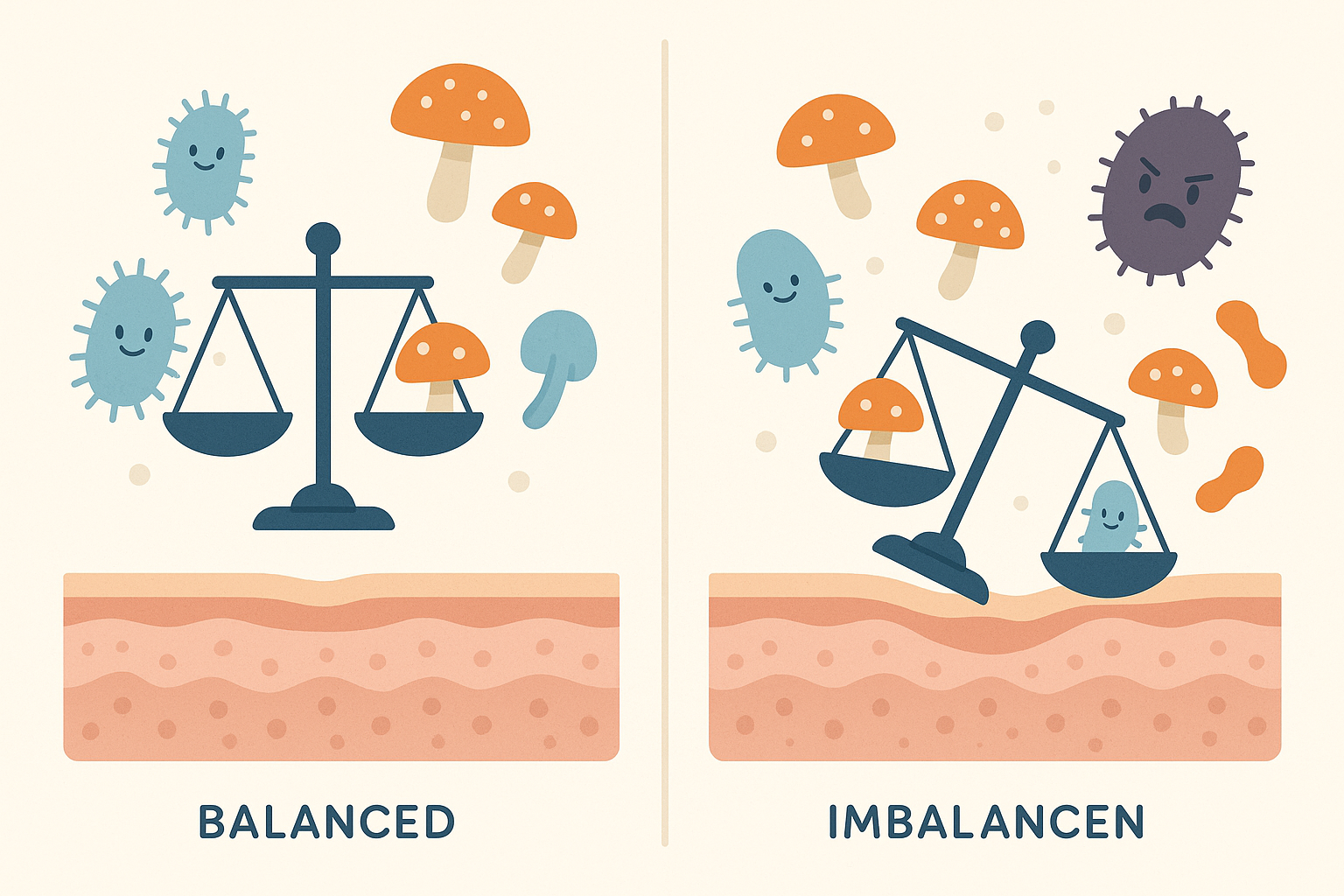
Your skin hosts trillions of bacteria and fungi that are basically having conversations about whether your texture should be smooth or bumpy. And most of us have been accidentally sabotaging these conversations without even knowing it.

The Bacterial Networks Running Your Skin
The bacteria on your skin aren’t just sitting there doing nothing. They’re actively communicating with each other through chemical signals, kind of like how your phone connects to WiFi. When these networks are working properly, they promote smooth texture. When they’re disrupted (hello, over-cleansing), they can trigger inflammation that creates bumpy, uneven skin.
How Bacteria Talk to Each Other (And Why It Matters for Your Texture)
Think of it like this: the good bacteria on your skin are basically texting each other saying “hey, everything’s cool here, let’s keep the skin smooth.” But when you disrupt their communication with harsh products, they start sending panic signals that create inflammation and texture problems.
Recent insights from “Cold air and indoor heating can make your skin dry in winter” according to Health Shots highlight how environmental factors can mess with these delicate bacterial communities.
Stop over-washing your face. I know, I know – it feels wrong. But most people are stripping away the good bacteria along with the bad. Once or twice a day with a gentle cleanser is plenty.
Add some fermented foods to your diet and see what happens. Start with one type (yogurt, kefir, sauerkraut) for a couple weeks and track how your skin responds.
If you have to take antibiotics or start probiotics, pay attention to how your skin texture changes. These can completely flip your bacterial balance, sometimes in surprising ways.
The Metabolic Byproducts That Transform Your Skin
Here’s where it gets really cool: the good bacteria don’t just sit there looking pretty. They’re actually producing compounds that can improve your skin texture better than some expensive treatments. But only when the right bacterial populations are thriving.
Studies show that “Probiotics like yoghurt and kefir also help promote a balanced microbiome. Prebiotics (garlic, onions, and bananas) on the other hand, help improve the skin’s natural defences by promoting beneficial bacteria” according to Laser Clinics Canada.
Try adding prebiotic foods (garlic, onions, asparagus, bananas) to your diet and give it 4-6 weeks to see changes. Your gut bacteria will thank you, and your skin bacteria might too.
Test different soap pH levels. Most commercial soaps are way too alkaline and kill off beneficial bacteria. Look for pH-balanced cleansers instead.
Gradually cut back on antimicrobial products (antibacterial soaps, alcohol-based toners) and see if your texture improves over time. Sometimes less really is more.
Mark was basically a walking advertisement for every high-end skincare brand out there. His bathroom looked like a Sephora exploded. But his face still felt like he’d been rubbing it with a washcloth made of sandpaper. Turns out, all those fancy products were actually making things worse by killing off the good bacteria his skin needed. When he switched to a simple pH-balanced cleanser and added kefir to his morning routine, those stubborn rough patches finally started smoothing out after about 6 weeks.
The Fungal Factor Everyone Ignores
Yeah, you’ve got fungi living on your skin too. Before you freak out, this is totally normal. The problem comes when they get out of balance, which can create textural issues that most people never connect to fungal overgrowth.
Balancing Malassezia for Smoother Skin
Malassezia is a fungus that naturally lives on your skin. When it’s balanced, it’s actually helpful. When it overgrows, you get texture problems, especially in your T-zone, chest, or back areas.
Look at where your texture problems are worst. If it’s mainly your T-zone or chest, fungal overgrowth might be a factor.
Try cutting back on simple sugars for a month and see what happens. Fungi love sugar, so starving them might help rebalance things.
Experiment with natural antifungal stuff like diluted apple cider vinegar or a tiny bit of tea tree oil. Start small – these can be irritating if you go overboard.
How Your Nervous System Controls Your Skin’s Appearance
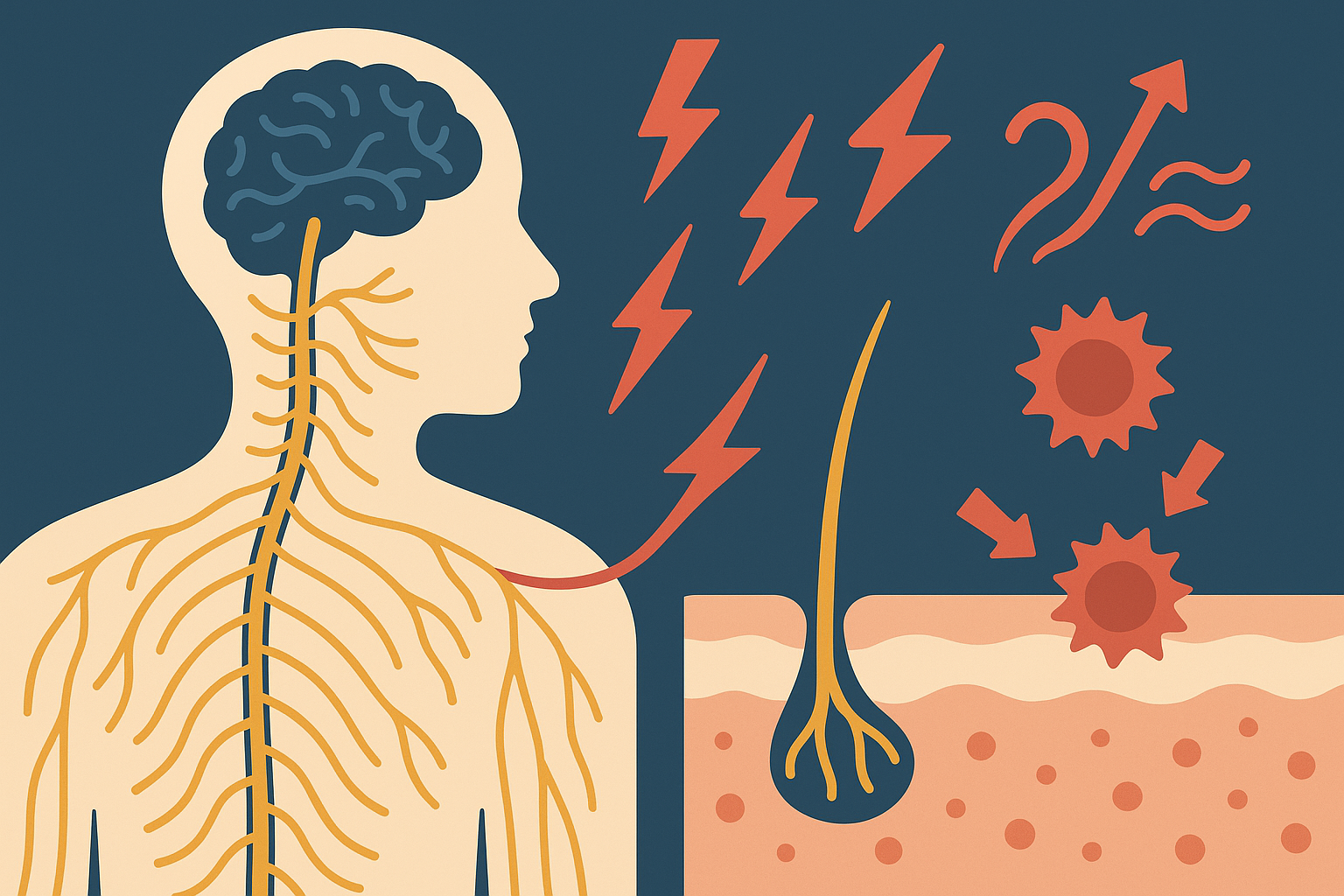
Here’s something most people don’t realize: your nervous system has a direct hotline to your skin. Chronic stress doesn’t just make you feel terrible – it creates actual, measurable changes in your skin texture through hormone cascades and inflammatory pathways.
The crazy part? These cycles can keep going even after the original stress is gone. That’s why some people struggle with texture issues long after their life calms down.
Breaking the Stress-Texture Destruction Cycle**
Chronic stress creates these self-perpetuating loops that just keep making your texture worse. Understanding how this works gives you actual tools to break the cycle instead of just hoping it’ll get better on its own.
When Your Cortisol Rhythm Goes Haywire
Your stress hormone (cortisol) is supposed to follow a specific pattern – high in the morning to wake you up, low at night to help you sleep. When chronic stress messes up this pattern, your skin repair timing gets all wonky.
As noted by “When you are healthy and fit, you will find your skin tone improves and areas of textured skin or rough skin will become healthier looking smoother skin” according to Health Shots, the connection between overall wellness and skin health is real.
Track your stress levels and skin texture changes for a month. You’ll probably start seeing patterns you never noticed before.
Try some cortisol-regulating activities at different times of day. Morning sunlight exposure, evening relaxation routines – see what timing works best for you.
Pay special attention to how sleep quality affects your morning skin texture. If your skin looks worse after bad sleep, that’s your cortisol rhythm talking.
Optimizing your sleep quality through evidence-based sleep hygiene protocols can significantly improve cortisol regulation and subsequently enhance skin texture repair processes.
Why Fight-or-Flight Mode Ruins Your Skin
When you’re constantly in fight-or-flight mode, your body basically says “forget about skin repair, we’re trying to survive here.” Blood flow to your skin decreases, cellular repair slows down, and you get texture problems that no cream can fix.
Practice some parasympathetic nervous system activation. Deep breathing, meditation, gentle yoga – whatever actually works for you, not what you think you should do.
Figure out which specific stressors hit your skin the hardest. Is it work stress? Relationship drama? Financial worry? Once you know your triggers, you can be more strategic about managing them.
Try some controlled cold exposure (cold showers, ice baths) if you’re feeling adventurous. This can help reset your nervous system balance, but give it time to work – we’re talking months, not days.
Jessica noticed her skin texture became noticeably rougher during her final semester of graduate school. After implementing a 10-minute morning meditation routine and tracking her stress levels alongside her skin condition, she discovered that her skin texture improved significantly even when her workload remained high. The key was managing her stress response rather than eliminating the stressor itself.
The Nerve-Driven Inflammation You Can’t See
Your nerves can actually trigger inflammatory responses directly in your skin through the release of specific molecules. This creates distinct texture patterns that won’t respond to typical anti-inflammatory treatments because the inflammation is coming from your nervous system, not from external irritants.
The Neuropeptide That’s Sabotaging Your Texture
There’s this thing called Substance P that gets released when you’re stressed. It triggers inflammatory cascades right in your skin tissue, creating those bumpy, uneven textures that seem to come out of nowhere. This explains why some people’s texture problems don’t respond to normal treatments.
Figure out your personal stress triggers that consistently make your texture worse within a day or two.
Practice specific relaxation techniques that target this nerve-driven inflammation. Progressive muscle relaxation and mindfulness meditation seem to work particularly well.
Be consistent with stress management for at least 8-12 weeks. This stuff takes time to rewire, but when it works, the results stick.
Timing Your Way to Better Skin: Circadian Optimization Secrets
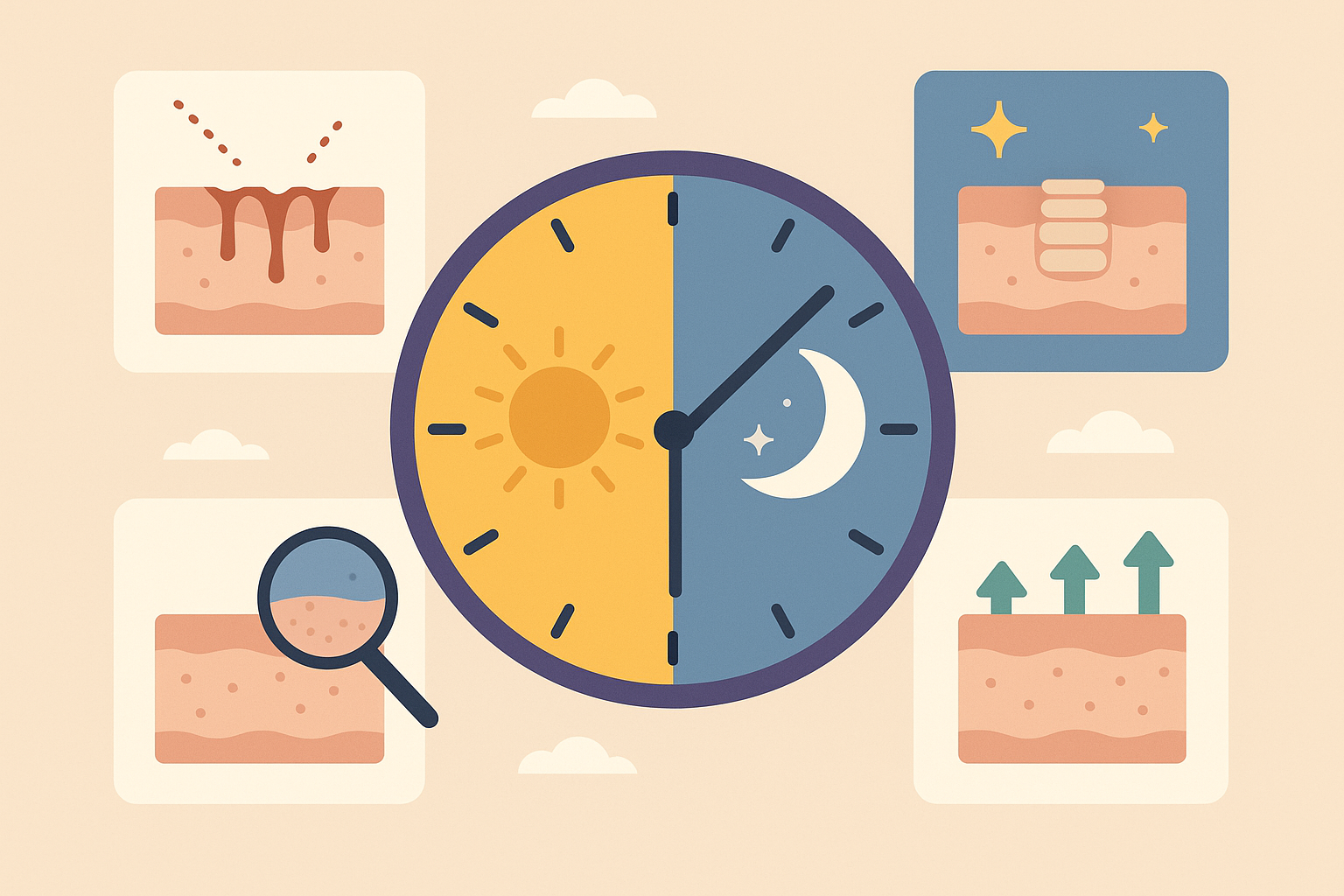
Your skin doesn’t just randomly decide when to repair itself – it follows your body’s natural daily schedule. Most people completely ignore this timing aspect and then wonder why their efforts aren’t working as well as they could.
Working with these natural rhythms instead of against them can seriously amplify your results.
When Your Skin Actually Repairs Itself
Different repair processes happen during specific time windows throughout your 24-hour cycle. Understanding these patterns lets you optimize everything from when you sleep to when you eat protein for maximum skin benefits.
Maximizing Your Growth Hormone Window
Your body releases growth hormone during deep sleep, and this is when the most important cellular repair happens for your skin texture. It’s not just about getting enough sleep – it’s about optimizing the quality and timing.
Create the perfect sleep environment (cool, dark, quiet) and track how deep sleep quality affects your morning skin texture.
Try having some protein 2-3 hours before bed to support overnight repair processes.
Pay attention to how different bedtimes affect your skin texture the next day. Your optimal window might be different from the generic “8 hours” advice.
The Melatonin-Texture Connection
Natural melatonin production coordinates your antioxidant systems and cellular repair processes during sleep. Mess with melatonin through light exposure or irregular sleep, and your texture improvement efforts get seriously undermined.
Minimize blue light exposure 2 hours before bed and track how this affects your skin texture over time.
Notice how light exposure timing throughout the day affects your next-day skin appearance.
Try natural melatonin support through tart cherry juice or magnesium supplementation if you’re struggling with sleep quality.
Understanding the role of melatonin in cellular repair processes helps explain why proper sleep timing is crucial for maintaining smooth skin texture and preventing overnight inflammatory damage.
| Time of Day | Skin Process | Optimization Strategy | Expected Texture Benefit |
|---|---|---|---|
| 6-8 AM | Cortisol peak | Morning sunlight exposure | Improved barrier function |
| 10 PM-2 AM | Growth hormone release | Deep sleep optimization | Enhanced cellular repair |
| 2-4 AM | Peak cellular regeneration | Consistent sleep schedule | Smoother texture |
| 4-6 AM | Melatonin production | Dark environment | Reduced inflammation |
Syncing Your Hormones for Better Texture
Multiple hormonal cycles influence your skin texture through coordinated effects on collagen production, inflammation, and cellular turnover. Understanding these patterns helps you work with your body’s natural rhythms instead of fighting them.
How Testosterone and DHT Shape Your Skin
These hormones directly influence oil production and pore appearance, creating specific texture characteristics that change with hormonal fluctuations. Both men and women need to understand these effects.
Track texture changes relative to monthly hormonal cycles. Yes, men have cycles too – they’re just less obvious than women’s.
Monitor how strength training affects both your energy levels and skin texture over time. The hormone boost from resistance training can actually improve texture.
Notice how different types of stress specifically impact your hormonal texture patterns. Work stress might hit differently than relationship stress.
The Blood Sugar-Texture Link
Blood sugar regulation directly affects inflammatory processes and something called collagen glycation (basically sugar damage to your skin proteins). Poor blood sugar control can sabotage all your other texture improvement efforts.
Monitor how your skin texture changes relative to when and what you eat.
Experiment with intermittent fasting protocols and track texture improvements over 6-8 weeks. Some people see dramatic results from giving their body regular breaks from digestion.
Test how different carbohydrate sources affect your skin texture. Refined sugars vs. complex carbs can make a huge difference for some people.
When you understand how to improve skin texture naturally through these deeper mechanisms, you’re addressing the root causes rather than just the symptoms that show up on the surface.
Putting It All Together: Advanced Integration Strategies
Here’s where things get interesting. The real power comes from combining multiple approaches in ways that create synergistic effects. But you can’t just throw everything at the wall and hope something sticks – you need to understand how different systems interact and potentially interfere with each other.
Creating Your Personal Texture Transformation Protocol
Effective texture improvement requires identifying which combination of factors most affects YOUR skin and addressing them in the right order. This personalized approach beats generic solutions every time.
Using Biomarkers to Guide Your Strategy
Instead of guessing what might work, you can track specific measurable indicators to figure out which interventions actually provide texture benefits for your unique situation.
The “Is This Actually Working?” Reality Check:
- Take a selfie once a week (same lighting, same angle)
- Notice if you’re touching your face less (smoother skin = less fidgeting)
- Ask yourself: “Do I feel more confident going makeup-free?”
- Track one thing at a time – don’t drive yourself crazy with spreadsheets
Establish baseline measurements for energy levels, sleep quality, stress levels, and current texture quality before you start changing anything.
Track correlations between these markers and texture changes over 8-12 weeks. You’ll start seeing patterns that are specific to your body.
Adjust your approach based on which combinations show the strongest texture improvements for YOU, not what worked for your friend or some influencer online.
Timing Your Interventions for Maximum Impact
Different approaches can actually work against each other if the timing is wrong. Understanding these interactions helps you coordinate multiple strategies for synergistic effects instead of conflicting results.
Introduce new interventions one at a time with 2-week evaluation periods. This way you can actually tell what’s working and what isn’t.
Test different timing combinations. Morning vs. evening, before vs. after meals – your body might have strong preferences.
Create personalized protocols based on your individual response patterns rather than following generic recommendations that might not match your situation.

Making It Sustainable Long-Term
“But I’ve Tried Everything!” – Yeah, I Get It
Look, if you’re rolling your eyes thinking ‘great, another person telling me to drink water and get more sleep,’ I totally understand. I used to think the same thing. But here’s what nobody tells you: it’s not about doing these things perfectly – it’s about doing them consistently enough that your body stops fighting you.
The strategies that work in your 20s might need tweaking in your 40s. What works during low-stress periods might need adjustment when life gets complicated. Successful long-term texture improvement requires protocols that can adapt.
Building Flexibility Into Your Approach
Rigid approaches often fail when life gets messy, which it inevitably does.
Start Here (Don’t Overwhelm Yourself):
Week 1-2: Just focus on sleep. Same bedtime, same wake-up time. That’s it.
Week 3-4: Add the pee test. Drink enough water to keep it pale yellow.
Week 5-6: Pick ONE stress-busting thing you’ll actually do (not meditation if you hate it).
Week 7-8: Take progress photos and see what’s actually working.
Develop seasonal variations of your core protocol to account for climate and lifestyle changes.
Create simplified versions for high-stress periods, travel, or busy times when you can’t maintain your full routine.
Plan periodic reassessment every 6 months to account for changing needs. Your body isn’t static, so your approach shouldn’t be either.

This comprehensive approach to skin texture improvement aligns with what companies like Enov.one are pioneering through their focus on cellular energy optimization. Their NAD+ therapy programs directly support the mitochondrial function that drives all the processes we’ve discussed – from cellular repair to circadian rhythm optimization. When you’re dealing with systemic fatigue, brain fog, or mood imbalances that often accompany texture problems, addressing the root cause through cellular energy support can amplify all your other texture improvement efforts. Their telemedicine platform and 24/7 care team can help you monitor how improvements in cellular energy translate to visible skin changes, making it easier to track which interventions are actually working for your unique situation.
Final Thoughts
Here’s the truth nobody wants to tell you: this isn’t going to work overnight. Your skin didn’t get textured in a week, and it won’t get smooth in a week either. But if you stick with this approach for a couple of months, you’ll probably start noticing changes that actually last – not just temporary improvements that disappear when you stop using a product.
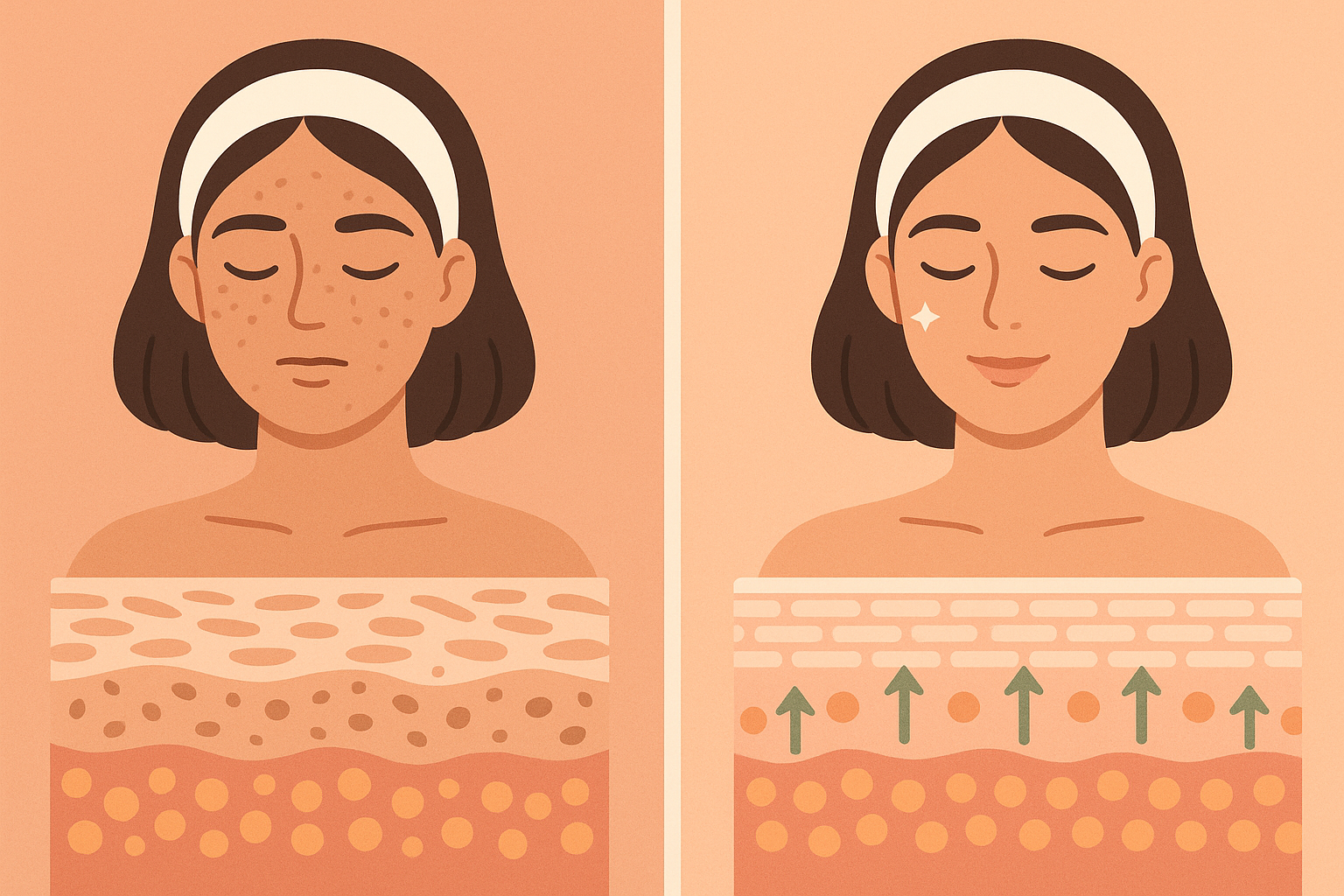
Improving skin texture naturally isn’t about finding the perfect cream or copying someone else’s routine. It’s about understanding that your skin is basically a report card for what’s happening inside your body – your energy production, your stress responses, your sleep quality, even the health of your gut bacteria.
Most people spend years trying surface-level solutions because they don’t realize their texture problems are coming from deeper cellular and systemic issues. When you start supporting your cellular energy systems, balancing your microbiome, managing your stress responses, and working with your natural rhythms, you’re giving your skin the foundation it needs to actually repair itself properly.
What makes this approach different is that it treats you as a whole person instead of just focusing on your face in isolation. The same things that improve your skin texture will probably boost your energy, improve your sleep, and help you feel better overall. That’s how you know you’re addressing the real underlying issues instead of just masking symptoms.
Everyone’s combination of contributing factors is unique. What works dramatically for your friend might do absolutely nothing for you, and that’s completely normal. The key is systematically testing different approaches, tracking your responses honestly, and building a personalized protocol based on what actually works for YOUR body.
If you’re dealing with persistent fatigue, brain fog, or other systemic issues alongside your texture concerns, consider exploring cellular energy support through companies like Enov.one. Their NAD + therapy and comprehensive telemedicine approach can help address the foundational energy systems that drive skin health, potentially accelerating your texture improvement results while supporting your overall wellbeing.
For those looking to address the systemic factors that affect skin texture, exploring cellular health improvement through targeted interventions can provide the foundational support needed for lasting texture improvements.
Final Reality Check:
Some of you are going to try this for two weeks, not see dramatic results, and go back to buying expensive serums. That’s totally fine – I’m not your mom. But for those of you who are tired of the skincare hamster wheel and ready to try something that actually addresses why your skin acts up in the first place, this approach might just change everything.
Your skin texture is a reflection of your internal health. When you address the root causes through these evidence-based approaches, you’re setting yourself up for improvements that last. And you’ll probably discover benefits that go way beyond just how your skin looks and feels.