
Look, I’ve tried pretty much every weight loss approach out there, and most of them left me feeling frustrated and defeated. Then I learned about naltrexone, and honestly? It was different from anything I’d experienced before. From 2015 to 2018, its use in alcohol use disorder treatment in the US tripled, and now researchers are uncovering its powerful potential for weight management. What makes naltrexone different from traditional appetite suppressants is its unique ability to target the neurochemical pathways that drive food addiction, offering hope for those who have struggled with conventional weight loss approaches.
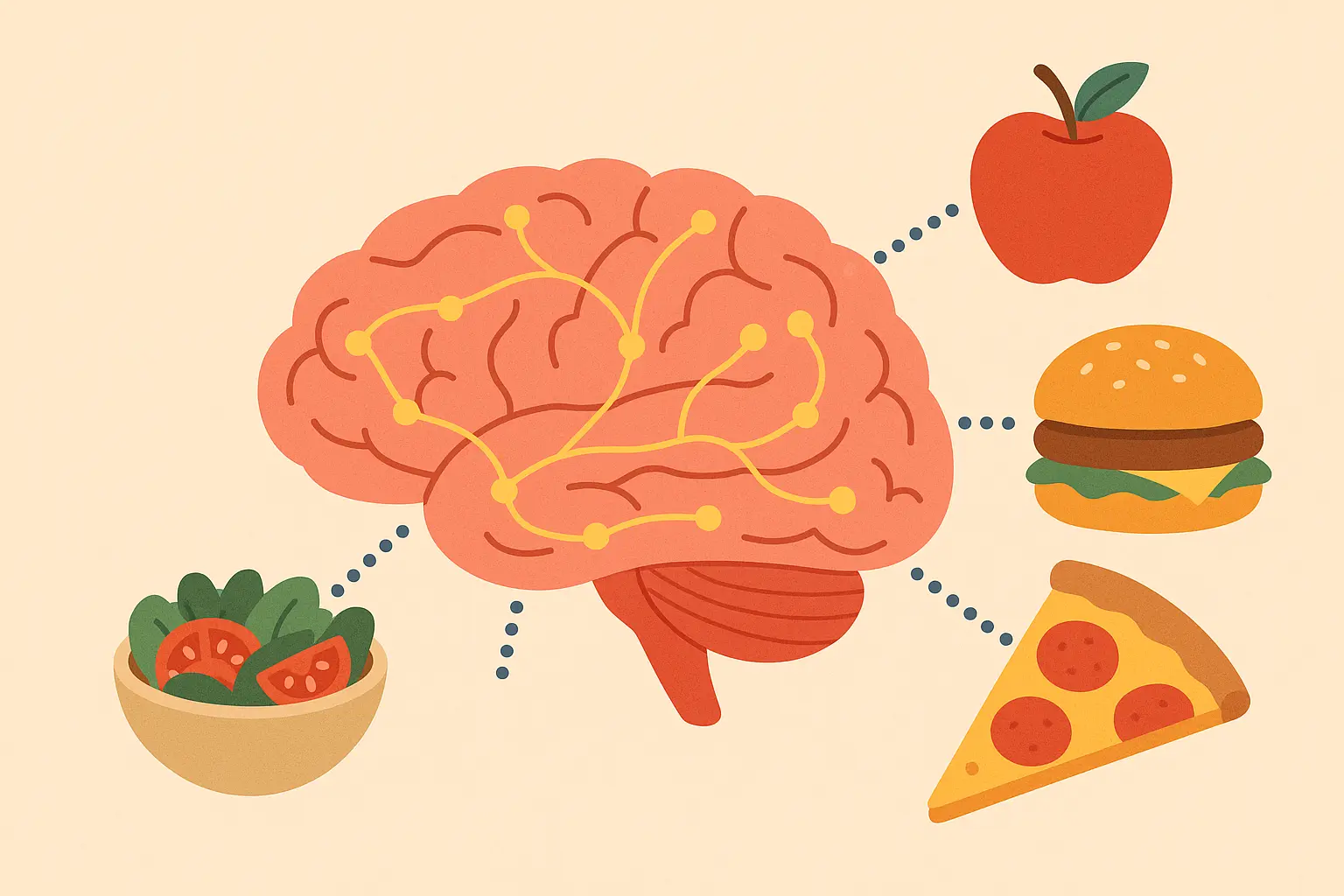
Table of Contents
- How Naltrexone Actually Rewires Your Brain for Weight Loss
- The Real Story Behind Contrave’s Success Formula
- Why Your Genetics Matter More Than You Think
- Managing Side Effects Like a Pro (Without Giving Up)
- The Complete Integration Game Plan
- What Most Doctors Don’t Tell You About Optimization
- Planning Your Exit Strategy for Long-Term Success
- Final Thoughts
TL;DR
- Naltrexone doesn’t just suppress appetite—it blocks the brain’s reward pathways that make you crave junk food
- Contrave combines naltrexone with bupropion for a one-two punch against cravings and low energy
- Your genetics can predict how well naltrexone will work for you (and most doctors don’t test for this)
- Side effects follow predictable patterns and can be managed with the right strategies
- Combining naltrexone with personalized health approaches multiplies its effectiveness
- Success requires understanding the difference between eating for survival vs. pleasure
- Planning your transition off the medication is just as important as starting it
How Naltrexone Actually Rewires Your Brain for Weight Loss
Most people think naltrexone weight loss works through appetite suppression, but that’s completely wrong. Here’s what blew my mind: when you eat that bag of chips, your brain literally releases the same feel-good chemicals as addictive drugs. Naltrexone blocks those receptors, so suddenly those chips just taste like… well, salty potato slices. The magic is gone.
Research demonstrates naltrexone’s effectiveness in blocking reward-driven eating, with clinical studies showing that 14% of individuals using Vivitrol 380 mg intramuscular injections experienced appetite reduction, compared to only 3% in the placebo group. [Source: Live Free Recovery NH](https://livefreerecoverynh.com/naltrexone-weight-loss/)
When I first learned about naltrexone for weight loss, I was skeptical. Another weight loss drug? But the mechanism is fundamentally different from anything else on the market. This medication targets the mu-opioid receptors in your brain—the same brain spots that light up when people use hard drugs. Crazy, right? Your brain treats that donut like it’s a hit of something way stronger.
The Hidden Connection Between Food and Drug Addiction
Your brain processes that slice of pizza or chocolate bar the same way it processes addictive substances. The food industry has spent billions making foods that are literally designed to be addictive. Thanks, science! But now we can use science right back at them.
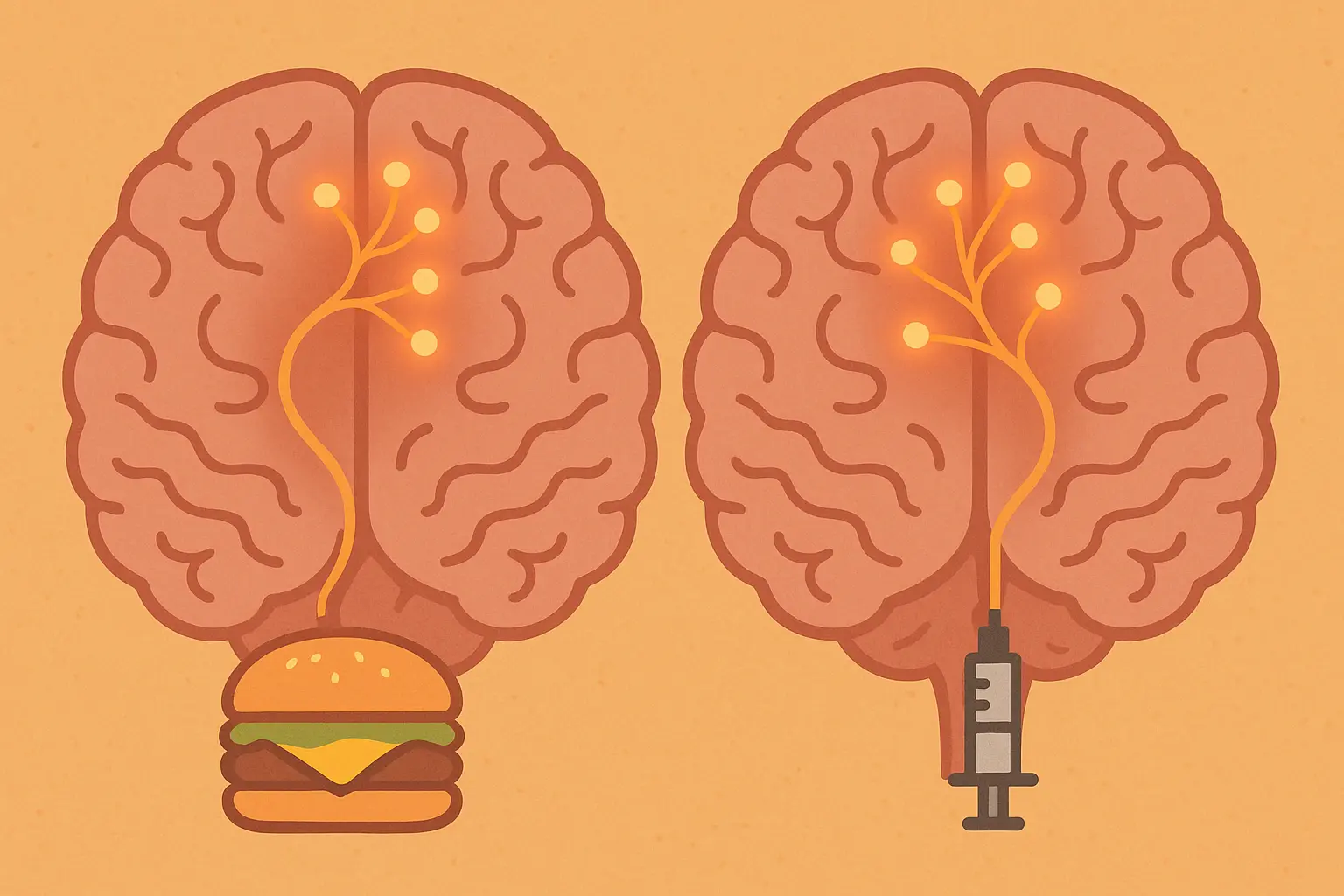
They’ve created foods that trigger these exact pathways, combining sugar, fat, and salt in ratios that maximize dopamine release. When you eat these foods, your brain releases endorphins that bind to mu-opioid receptors, creating that blissful feeling that makes you want more.
Why Blocking Opioid Receptors Changes Everything
When naltrexone blocks your mu-opioid receptors, it creates a neurochemical environment where food loses its addictive pull. Think about the last time you ate a bag of chips. You probably didn’t stop because you were full—you stopped because the bag was empty. That’s hedonic hunger in action, driven by the reward pathways that naltrexone blocks. With these receptors occupied by the medication, that same bag of chips becomes… well, just salty potato slices.
The beauty of this mechanism is its selectivity. Naltrexone doesn’t interfere with your body’s natural hunger signals or your ability to enjoy food. You’ll still feel hungry when your body needs fuel, and you’ll still taste flavors normally. What disappears is that compulsive drive to keep eating foods that trigger your reward system.
Understanding the Two Types of Hunger That Control Your Eating
There’s a massive difference between eating because your body needs fuel (homeostatic hunger) and eating because food tastes amazing (hedonic hunger). Let’s talk about recognizing these different types of hunger in your own life and why naltrexone primarily targets the pleasure-driven eating that sabotages weight loss efforts.
Homeostatic hunger is your body’s fuel gauge. It’s regulated by hormones like ghrelin and leptin, and it responds to actual energy needs. This is the hunger you feel when you haven’t eaten for several hours, and it’s satisfied by any adequate food source.
Hedonic hunger is completely different. It’s driven by the reward value of food, not energy needs. This is why you can feel “hungry” for dessert even after a full meal, or why you suddenly crave cookies when you see them in the break room.
Consider Sarah, a 35-year-old marketing executive who found herself reaching for cookies every afternoon at 3 PM, even after eating a satisfying lunch. This wasn’t homeostatic hunger—her body didn’t need fuel. Instead, this was hedonic hunger driven by stress and the rewarding sensation of sugar and fat. After starting naltrexone, Sarah noticed that while she still felt genuine hunger at mealtimes, the afternoon cookie cravings simply disappeared because the reward pathway was blocked.
The Contrave Combination That’s Changing the Game
Contrave isn’t just naltrexone with a fancy name—it’s a strategic combination of naltrexone and bupropion that targets weight loss from multiple angles. Let me explain how these two medications work together to reduce cravings while maintaining your energy and motivation levels.
Recent research from Henry Ford Health in collaboration with WeightWatchers International found that [“more than 40% of individuals using popular weight loss medications while participating in a WeightWatchers clinic decreased their alcohol use”](https://medicalxpress.com/news/2024-11-weightwatchers-combined-weight-loss-medications.html) Medical Xpress, with individuals receiving bupropion and naltrexone showing the greatest likelihood of decreasing alcohol consumption compared to those taking other medications.
The genius of Contrave lies in addressing naltrexone’s main weakness. While naltrexone effectively blocks reward pathways, it can sometimes leave people feeling flat or unmotivated. That’s where bupropion comes in, acting as a dopamine and norepinephrine reuptake inhibitor to maintain your drive and energy.
How Bupropion Balances Out Naltrexone’s Effects
While naltrexone blocks reward pathways, bupropion enhances dopamine and norepinephrine activity in your brain. This combination prevents the flat, unmotivated feeling that can happen with naltrexone alone and keeps you energized throughout your weight loss journey.
Bupropion works in the prefrontal cortex and hypothalamus, areas crucial for executive function and appetite regulation. By increasing dopamine availability in these regions, it helps maintain motivation and decision-making capacity while naltrexone handles the addictive aspects of eating.
This combination creates what I call the “sweet spot” of weight loss medication. You lose the compulsive drive to overeat without losing your zest for life. Many patients report feeling more focused and energetic on Contrave compared to naltrexone alone.
The synergy extends beyond just balancing side effects. Bupropion actually enhances naltrexone’s effectiveness by improving the brain’s response to the opioid receptor blockade. This is why Contrave often produces better weight loss results than either medication used individually.
The Critical 4-Week Startup Protocol
Contrave’s success depends on following a specific escalation schedule that most people don’t understand. Fair warning: rushing this process can sabotage your results. Your brain needs time to adapt to opioid receptor blockade, and your digestive system needs to adjust to both medications. Jumping straight to the full dose is a recipe for intolerable side effects and treatment failure.
| Week | Morning Dose | Evening Dose | Total Daily Naltrexone | Total Daily Bupropion |
|---|---|---|---|---|
| 1 | 1 tablet | None | 8mg | 90mg |
| 2 | 1 tablet | 1 tablet | 16mg | 180mg |
| 3 | 2 tablets | 1 tablet | 24mg | 270mg |
| 4+ | 2 tablets | 2 tablets | 32mg | 360mg |
Each week builds on the previous one, allowing your neurotransmitter systems to gradually adapt. Week one is usually the easiest, with minimal side effects. Week two often brings the first wave of nausea as the dose doubles. Week three can be challenging as you approach therapeutic levels, but week four typically marks the turning point where side effects diminish and benefits become apparent.
I’ve seen too many people quit during week two or three because they didn’t understand this was temporary. The key is knowing that the worst side effects typically peak around day 10-14 and then gradually improve.
Strategic Timing for Maximum Effectiveness
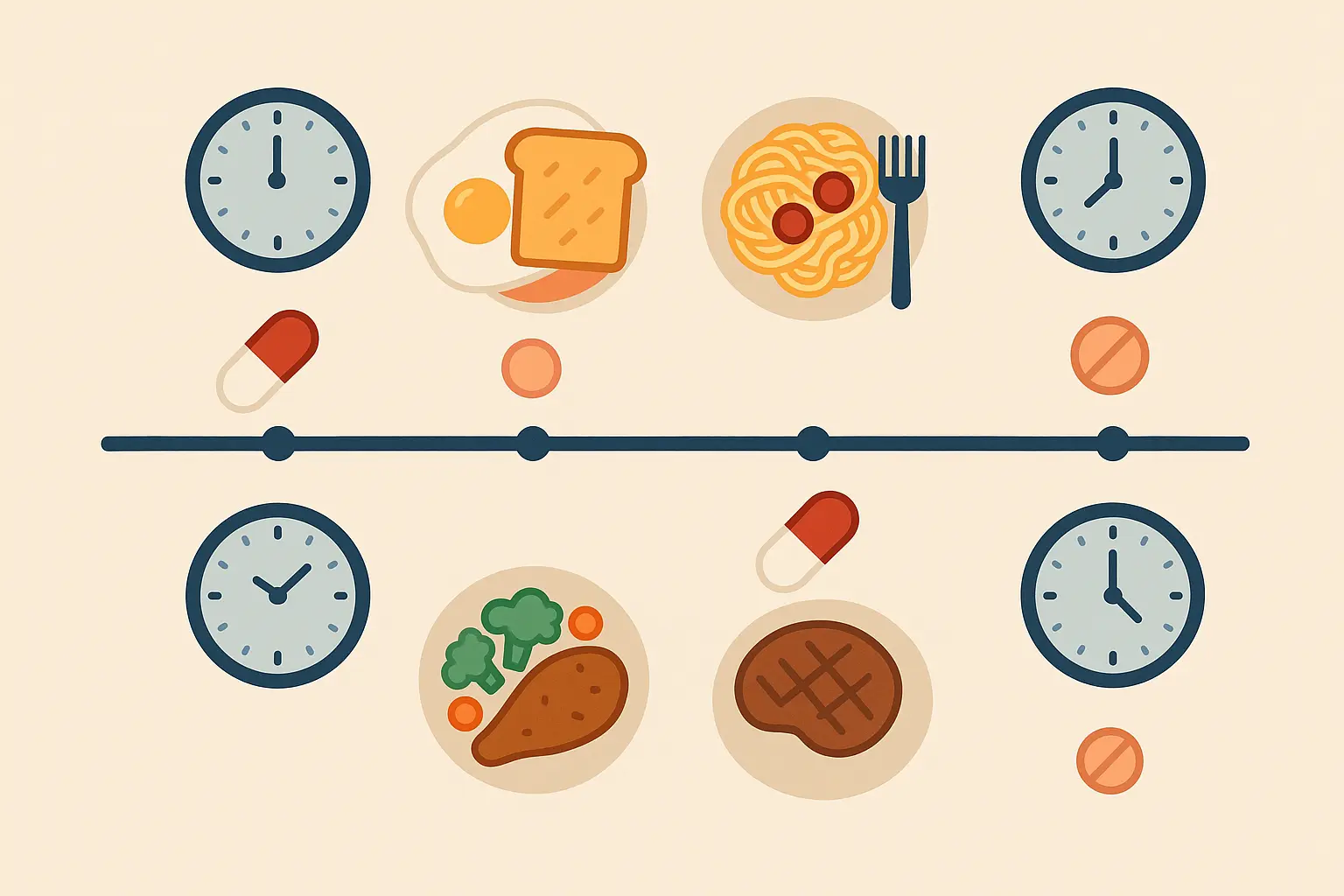
When you take Contrave matters just as much as how much you take. The standard recommendation is to take Contrave with food, but the timing within your meal matters. Taking it with the first few bites provides the best nausea protection while ensuring optimal absorption. Some people find that taking it with a protein-rich meal further reduces digestive upset.
You know that 3 PM cookie craving that hits right when you’re stressed at work? For maximum craving control, timing your doses around your highest-risk periods can be game-changing. If you typically struggle with afternoon snacking, taking your morning dose around 8 AM provides peak coverage during those vulnerable hours. Evening doses should be timed to avoid sleep disruption—generally no later than 6 PM for most people.
Contrave reaches peak blood levels about 3 hours after dosing, so you can strategically time your doses to provide maximum protection during your personal danger zones. This might mean adjusting the standard twice-daily schedule slightly to better match your eating patterns.
Why Your Individual Response Matters More Than Standard Dosing
Understanding your individual response patterns is crucial for success, which is why [the importance of genetics in personalized healthcare](https://enov.one/blog/the-importance-of-genetics-in-personalized-healthcare/) plays such a vital role in optimizing naltrexone therapy outcomes.
Not everyone responds to naltrexone the same way, and your genetics, metabolism, and psychological profile all play crucial roles in determining your success. The standard “one-size-fits-all” approach to naltrexone dosing ignores the massive individual variation in drug metabolism, receptor sensitivity, and underlying neurobiology. Some people are rapid metabolizers who need higher doses or more frequent dosing, while others are ultra-sensitive and do better with lower doses.
Your response pattern usually becomes apparent within the first month. Fast responders notice reduced cravings within days, while slow responders might not see significant changes until week 6-8. Neither pattern predicts ultimate success—it just informs dosing strategy.
The Genetic Test Your Doctor Should Order (But Probably Won’t)
Some people are basically genetic lottery winners when it comes to naltrexone – they respond amazingly well. Others need higher doses or different approaches. Most doctors don’t test for this, but it’s actually a simple genetic test that could save you months of trial and error.
The A118G polymorphism in your OPRM1 gene can dramatically affect how you respond to naltrexone. About 25% of people carry at least one copy of the G allele, which creates mu-opioid receptors with altered binding characteristics. These individuals often have enhanced responses to naltrexone, experiencing more dramatic reductions in food cravings and potentially better weight loss outcomes.
If you carry two copies of the G allele (about 5% of the population), you might be a “super-responder” who needs lower doses to achieve optimal results. Conversely, people with the AA genotype might need higher doses or combination approaches for maximum benefit.
Most doctors don’t order this test because it’s not considered standard of care, but it can provide valuable insights for treatment optimization. The test is relatively inexpensive and can be ordered through most genetic testing companies.
Matching Your Metabolic Profile to Treatment Success
Your underlying metabolic health—including insulin resistance, metabolic syndrome, and eating disorder patterns—influences how well naltrexone for weight loss works for you. Let’s talk about what metabolic factors to assess before starting treatment and how they impact your likelihood of success.
Clinical research shows impressive results for naltrexone combination therapy, with 2011 studies finding that those who took naltrexone were three times as likely to lose 15% of their total body weight compared to traditional weight loss approaches. [Source: Illinois Recovery Center](https://illinoisrecoverycenter.com/naltrexone-weight-loss/)
People with insulin resistance often see enhanced benefits from naltrexone because the medication can improve insulin sensitivity through multiple mechanisms. The opioid system plays a role in glucose metabolism, and blocking these receptors can lead to better blood sugar control independent of weight loss.
Those with binge eating disorder or food addiction patterns typically respond exceptionally well to naltrexone. The medication directly targets the neurochemical drivers of compulsive eating, often providing relief that traditional behavioral interventions couldn’t achieve.
However, people with restrictive eating patterns or very low baseline food reward sensitivity might not see dramatic benefits. In these cases, addressing underlying metabolic dysfunction or hormonal imbalances might be more important than opioid receptor blockade.
Managing Side Effects Like a Pro (Without Giving Up)
Side effects of naltrexone are the main reason people quit before seeing results, but most of these effects are predictable and manageable. The biggest mistake people make is not preparing for side effects. They start Contrave expecting to feel great immediately, then panic when they experience nausea or fatigue during the first week.
Most side effects follow predictable patterns. Gastrointestinal symptoms typically peak in the first two weeks, sleep disturbances often occur in weeks 2-4, and mood changes can happen anytime during the first month. Knowing these timelines helps you prepare mentally and practically for each phase.

Conquering the Gastrointestinal Roller Coaster
Fair warning: the first two weeks can be rough. I’m talking nausea that makes you question your life choices. But here’s the thing – almost everyone who pushes through sees the worst symptoms peak around day 10-14, then gradually improve.
The gastrointestinal effects of Contrave stem from both medications affecting different parts of your digestive system. Naltrexone influences the enteric nervous system (your gut’s “second brain”), while bupropion can affect gastric motility and neurotransmitter levels in digestive tissues.
Nausea typically starts within 2-3 days of beginning treatment or increasing doses. It usually peaks around day 7-10, then gradually improves over the following week. The key is having management strategies ready before symptoms start.
The Make-or-Break First Two Weeks
Most GI side effects peak during the first two weeks as your enteric nervous system adapts to opioid receptor blockade. Your gut contains more opioid receptors than your brain, which explains why naltrexone can initially wreak havoc on your digestive system. These receptors normally help regulate gut motility, fluid secretion, and the gut-brain communication that influences nausea and appetite.
During the first 48 hours, you might feel completely normal. Days 3-5 often bring the first wave of queasiness, especially if you’re not taking the medication with adequate food. By day 7, many people experience their worst symptoms—this is when most people quit, not realizing they’re at the peak of the adjustment curve.
Mark, a 42-year-old teacher, experienced severe nausea during his first week on Contrave. Instead of quitting, he implemented a strategic approach: taking his morning dose with a protein-rich breakfast, keeping ginger chews at his desk, and staying hydrated with electrolyte water throughout the day. By week three, his nausea had completely resolved, and he went on to lose 45 pounds over six months.
The second week often brings different challenges. Nausea might improve, but constipation can become problematic as your gut motility adjusts. This is where fiber timing becomes crucial—too much too fast can worsen bloating, but gradual increases help restore normal function.
Supporting Your Gut Microbiome Through the Transition
Naltrexone can alter your gut bacteria composition, potentially contributing to digestive symptoms. Recent research suggests that opioid receptor blockade can shift gut bacterial populations, potentially reducing beneficial strains that support digestive health. Supporting your microbiome during this transition can minimize symptoms and potentially enhance treatment outcomes.
Lactobacillus strains, particularly L. rhamnosus and L. acidophilus, seem most beneficial during naltrexone treatment. These strains can help maintain gut barrier function and reduce inflammation that might contribute to nausea and digestive upset.
Side Effect Management Checklist:
- Start with food to reduce nausea
- Keep ginger chews or tea on hand
- Increase water intake to 8+ glasses daily
- Add soluble fiber gradually
- Consider probiotics with Lactobacillus strains
- Track symptoms in a daily journal
- Schedule weekly check-ins with healthcare provider
Protecting Your Liver While Maximizing Benefits
Yes, we need to keep an eye on your liver, but let’s put this in perspective. The dose in Contrave is way lower than what they use for alcohol treatment, and most people do just fine. Your doctor will run some blood tests to make sure everything’s good – it’s really more about being cautious than expecting problems.
The European Medicines Agency recently concluded a comprehensive review of naltrexone/bupropion (Mysimba), determining that [“available data suggested that the benefits of its authorized indication continue to outweigh its risks”](https://www.medscape.com/viewarticle/benefits-outweigh-risks-weight-loss-drug-mysimba-2025a10007i4) Medscape, though they noted that cardiovascular safety beyond 12 months remains uncertain and requires ongoing monitoring.
Liver concerns with naltrexone are dose-dependent and largely preventable with proper screening and monitoring. The risk is highest in people with existing liver disease, those who drink alcohol regularly, or individuals taking other hepatotoxic medications.
Understanding Dose-Dependent Liver Risks
The Contrave formulation uses relatively low naltrexone doses (8mg per tablet, maximum 32mg daily), which significantly reduces hepatotoxicity risk compared to the 50mg doses used for alcohol dependence. However, individual risk factors can still make monitoring essential.
People with hepatitis B or C, fatty liver disease, or regular alcohol consumption need more intensive monitoring regardless of dose. Certain medications, including acetaminophen, statins, and some antibiotics, can increase liver stress when combined with naltrexone.
Advanced Monitoring Beyond Standard Blood Tests
There are some newer tests that can catch liver issues way earlier than the old-school blood work. If you’re someone who worries about this stuff (and honestly, who doesn’t?), ask your doctor about these options.
Traditional liver function tests only detect damage after it’s already occurred. Advanced biomarkers can identify liver stress before permanent damage happens, allowing for proactive intervention or treatment modification.
The FIB-4 score combines age, AST, ALT, and platelet count to assess liver fibrosis risk. Cytokeratin-18 fragments indicate hepatocyte death and can detect liver injury weeks before traditional tests show abnormalities.
| Monitoring Parameter | Baseline | Month 1 | Month 3 | Month 6 | Every 6 Months |
|---|---|---|---|---|---|
| ALT/AST | ✓ | ✓ | ✓ | ✓ | ✓ |
| Bilirubin | ✓ | ✓ | ✓ | ✓ | |
| FIB-4 Score | ✓ | ✓ | ✓ | ||
| Blood Pressure | ✓ | ✓ | ✓ | ✓ | ✓ |
| Weight/BMI | ✓ | ✓ | ✓ | ✓ | ✓ |
| Mood Assessment | ✓ | ✓ | ✓ | ✓ | ✓ |
The Complete Integration Game Plan
Contrave works best when it’s part of a comprehensive health strategy, not a standalone solution. Let’s be honest – if willpower worked, none of us would be here reading about medication, right? But while the medication is powerful, it works exponentially better when combined with targeted interventions that address your individual metabolic weaknesses and genetic predispositions.
For optimal results, many patients find that combining naltrexone with targeted [B12 injections](https://enov.one/starting-on-b12-injections/) helps support their energy levels and metabolic function during the initial adjustment period.
The biggest mistake I see people make is treating Contrave as a magic pill that works in isolation. While the medication is powerful, it works exponentially better when combined with targeted interventions that address your individual metabolic weaknesses and genetic predispositions.
Building Your Personalized Medicine Framework
Moving beyond cookie-cutter approaches, we need to create an individualized treatment protocol based on your unique genetic makeup, metabolic profile, and lifestyle factors. This isn’t about following someone else’s plan—it’s about designing a system that works specifically for your body and circumstances.
Personalized medicine recognizes that your response to naltrexone depends on dozens of factors that standard medical care often ignores. Your genetic variants affect drug metabolism, your microbiome influences side effects, and your hormonal status determines how effectively you’ll lose weight.
The Complete Health Assessment You Actually Need
Successful naltrexone therapy requires understanding your individual metabolic profile, hormone status, nutrient deficiencies, and underlying health conditions. Most doctors will check basic liver function and blood pressure before prescribing Contrave, but that’s barely scratching the surface. A truly comprehensive assessment reveals the metabolic context that determines your treatment success.
Comprehensive Pre-Treatment Assessment Checklist:
- Complete metabolic panel including fasting glucose and insulin
- Lipid profile and inflammatory markers (CRP, ESR)
- Thyroid function (TSH, T3, T4, reverse T3)
- Vitamin D, B12, folate levels
- OPRM1 genetic testing (A118G polymorphism)
- Liver function baseline (ALT, AST, bilirubin)
- Blood pressure and cardiovascular assessment
- Mental health screening for depression/anxiety
- Food sensitivity or allergy testing if indicated
- Gut microbiome analysis (optional but beneficial)
Insulin resistance testing is particularly crucial because naltrexone can improve insulin sensitivity, but the timeline and magnitude of this effect varies dramatically between individuals. People with severe insulin resistance might need additional interventions to see optimal weight loss results.
Thyroid function goes beyond basic TSH testing. Reverse T3 levels can reveal metabolic dysfunction that might limit naltrexone’s effectiveness, while T3 levels indicate your body’s actual metabolic capacity.
Using Wearable Tech for Real-Time Treatment Optimization
Continuous glucose monitors, heart rate variability trackers, and sleep quality metrics provide real-time feedback on how naltrexone affects your metabolic function. Wearable technology transforms naltrexone treatment from guesswork into precision medicine. Continuous glucose monitors reveal how the medication affects your blood sugar patterns, often showing improvements in glucose stability within days of starting treatment.
Heart rate variability tracking can detect autonomic nervous system changes that predict treatment response. People who show improved HRV within the first month often have better long-term outcomes, while declining HRV might indicate the need for dose adjustments or additional support.
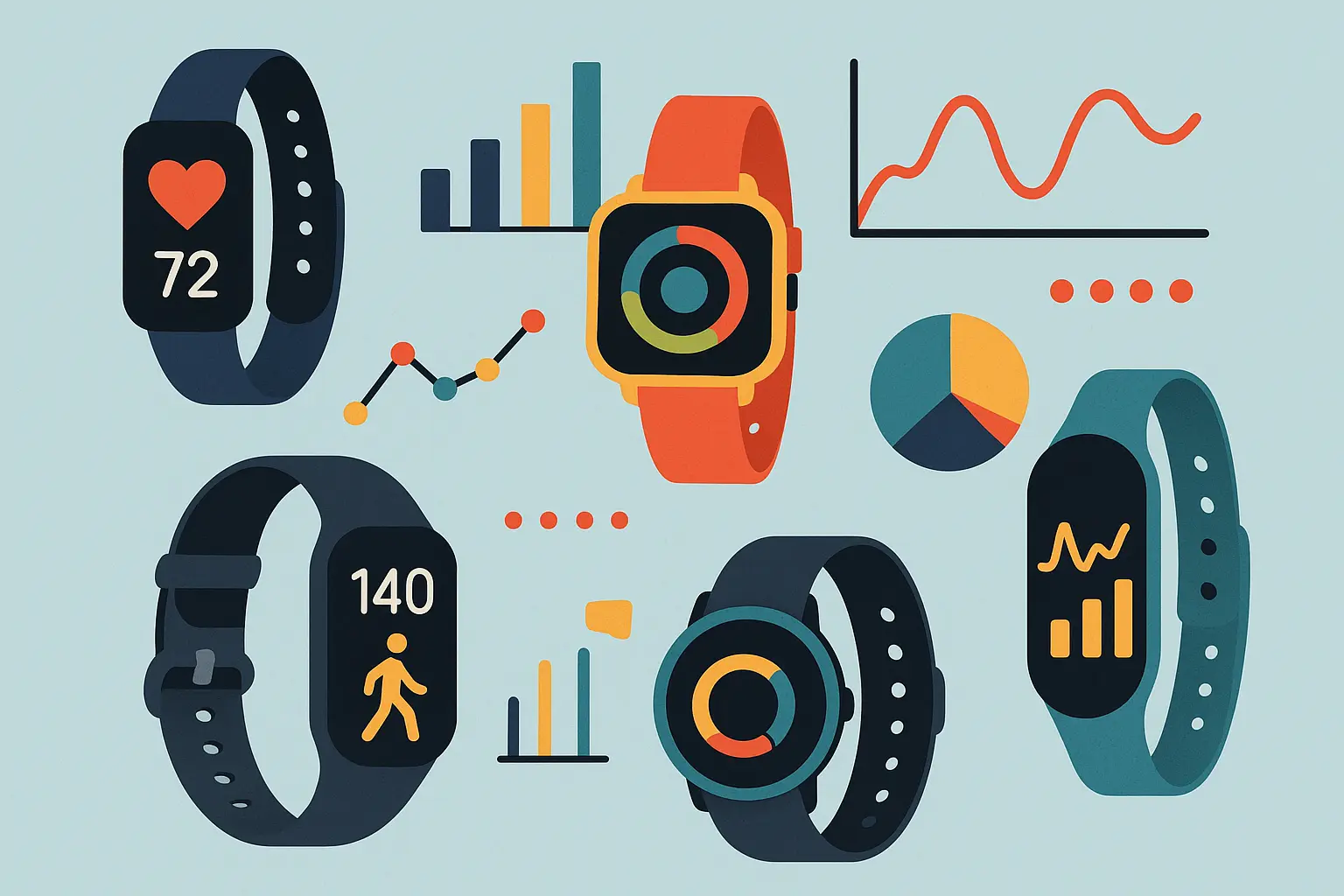
Sleep quality metrics are particularly valuable because naltrexone can initially disrupt sleep patterns. Tracking sleep efficiency, REM cycles, and deep sleep percentages helps optimize dosing timing and identify when additional sleep support might be needed.
Targeting Your Genetic Weak Spots with Strategic Supplementation
Think of it like this – some people can drink coffee at 9 PM and sleep like babies, others get wired from a sip at noon. Same thing with naltrexone. Your genetics determine whether you’re a ‘coffee at 9 PM’ person or not.
Your genetic variations in nutrient metabolism, neurotransmitter production, and detoxification pathways create specific supplementation needs. Understanding these genetic factors allows for targeted support that enhances naltrexone’s effectiveness while minimizing side effects.
MTHFR variants affect folate metabolism and can influence how well your body handles the metabolic stress of weight loss. People with these variants often benefit from methylated B vitamins during naltrexone treatment.
COMT variants determine how quickly you break down dopamine and norepinephrine. Slow COMT variants might need lower bupropion doses in Contrave, while fast variants might benefit from additional dopamine support through targeted amino acids or supplements.
Maximizing Results Through Modern Telemedicine
Today’s telemedicine platforms enable sophisticated monitoring and support systems that can dramatically improve your naltrexone treatment outcomes. The cool thing about doing this through telemedicine is you’re not waiting three months for an appointment when you’re dealing with side effects. You can actually text your provider when you’re feeling rough and get real help, not just ‘call us if it gets worse.’
Telemedicine excels at providing the frequent touchpoints that naltrexone treatment requires, especially during the critical first month. Weekly virtual check-ins allow for real-time side effect management and dose optimization that would be impossible with traditional quarterly appointments.
Remote Monitoring That Actually Works
Regular virtual check-ins allow for real-time assessment of your treatment response, side effect management, and dose adjustments without waiting weeks for appointments. Effective remote monitoring goes beyond simple video calls. The best platforms integrate wearable data, symptom tracking apps, and laboratory results into comprehensive dashboards that allow providers to spot trends and make proactive adjustments.
Weekly weigh-ins, side effect severity ratings, and craving intensity scores provide quantitative data that guides treatment decisions. This data-driven approach often produces better outcomes than relying on subjective reports during infrequent office visits.
Strategic Supplement Integration for Enhanced Results
Supporting your treatment with evidence-based supplements is crucial, and understanding [NAD benefits for men’s health](https://enov.one/blog/nad-benefits-men-health/) can help optimize your metabolic response to naltrexone therapy.
Combining naltrexone with evidence-based supplements addresses underlying metabolic dysfunction while supporting the medication’s effectiveness. NAD+ supplementation can enhance mitochondrial function and support the increased metabolic demands of weight loss.
B12 injections are particularly valuable during the first month of treatment when energy levels might dip as your brain adjusts to altered reward pathways. Glutathione support helps with detoxification as your body processes released toxins from fat breakdown.
Most patients experience the full effects of low-dose naltrexone after 2 months of consistent use, with some seeing changes in weeks, though gradual weight loss of 1 to 2 pounds per week is typical for sustainable results. [Source: Clear Spring RX](https://clearspringrx.com/compounding/ldn-weight-loss/)
What Most Doctors Don’t Tell You About Optimization
There’s a whole world of naltrexone applications and optimization strategies that most doctors never learn about. Medical school teaches doctors about naltrexone’s basic mechanism, but the advanced applications and optimization strategies I’m about to share come from functional medicine research and clinical experience that most physicians never encounter.

The Inflammation Connection Nobody Talks About
Naltrexone’s impact on your immune system and inflammation creates benefits that extend far beyond weight loss. The opioid system plays a crucial role in immune function, and blocking these receptors creates cascading effects throughout your inflammatory pathways. This immune modulation often produces unexpected benefits that patients and doctors attribute to weight loss when they’re actually direct effects of the medication.
Low-Dose vs. Weight Loss Dosing Strategies
The 1.5-4.5mg low-dose naltrexone (LDN) protocol targets immune modulation, while weight loss protocols use 8-50mg doses. Understanding when combining or sequencing these approaches can optimize both your metabolic and immune outcomes can be game-changing.
Low-dose naltrexone works through a completely different mechanism than weight loss doses. At low doses, naltrexone temporarily blocks opioid receptors, causing a rebound increase in endorphin production that modulates immune function and reduces inflammation.
Weight loss doses maintain continuous receptor blockade, preventing the rebound effect but creating sustained changes in food reward pathways. Some practitioners use sequential protocols, starting with LDN for immune benefits, then transitioning to weight loss doses.
Jennifer, a 38-year-old nurse with both weight concerns and autoimmune symptoms, worked with her functional medicine doctor to start with 3mg LDN for three months to address inflammation, then transitioned to Contrave for targeted weight loss. This sequential approach allowed her to address her underlying immune dysfunction first, making her subsequent weight loss more sustainable and reducing her joint pain simultaneously.
Optimizing Your Cytokine Profile for Better Results
Naltrexone’s ability to modulate inflammatory cytokines creates a metabolic environment more conducive to fat loss. Chronic inflammation creates insulin resistance, disrupts leptin signaling, and promotes fat storage, particularly visceral fat. By reducing pro-inflammatory cytokines, naltrexone creates metabolic conditions that favor fat burning over fat storage.
The cytokine changes typically occur within 2-4 weeks of starting treatment, often before significant weight loss begins. This suggests that the anti-inflammatory effects might be necessary precursors to successful weight loss rather than consequences of it.
Resetting Your Circadian Rhythms for Metabolic Success
Optimizing your sleep patterns is crucial for naltrexone success, which is why implementing comprehensive [sleep hygiene protocols]( ) can significantly enhance your treatment outcomes.
Naltrexone affects your body’s natural endorphin rhythms, which can either disrupt or enhance your circadian patterns. Your endogenous opioid system follows a circadian rhythm, with natural endorphin levels typically peaking in the early morning and declining throughout the day. Naltrexone disrupts this pattern, which can initially throw off your sleep-wake cycle and energy patterns.
Managing Your Natural Endorphin Cycles
Since naltrexone blocks natural endorphin release, you need strategies to support your natural mood and energy cycles. The absence of natural endorphin peaks can leave some people feeling emotionally flat, especially during the first month of treatment. This is where timing becomes crucial—taking naltrexone earlier in the day allows for some receptor recovery by evening, potentially preserving natural sleep-promoting endorphin release.
Exercise becomes even more important during naltrexone treatment because it provides alternative pathways for mood regulation and stress relief. High-intensity interval training can trigger endorphin release that partially overcomes receptor blockade, helping maintain emotional balance.
Sleep Optimization During Naltrexone Treatment
Naltrexone can initially disrupt your sleep patterns as your body adapts to altered opioid signaling. Sleep disruption during naltrexone treatment often manifests as difficulty falling asleep rather than frequent awakening. This occurs because endorphins normally help initiate the sleep cascade, and blocking these recept ors can interfere with natural sleep onset.
Sleep Optimization Protocol for Naltrexone Users:
- Take naltrexone 4-6 hours before bedtime to minimize sleep disruption
- Implement blue light blocking 2 hours before bed
- Maintain consistent sleep/wake times within 30 minutes daily
- Consider magnesium glycinate 200-400mg before bed
- Use blackout curtains and keep bedroom temperature 65-68°F
- Avoid caffeine after 2 PM during initial adjustment period
- Track sleep quality with wearable device for optimization

Planning Your Exit Strategy for Long-Term Success
Here’s what nobody tells you – the scariest part isn’t starting the medication, it’s thinking about stopping it. What if the cravings come back? What if you gain the weight back? These are totally normal fears, and we can plan for them.
The ultimate goal isn’t staying on naltrexone forever—it’s developing sustainable eating patterns that persist after you stop the medication. Many people make the mistake of viewing naltrexone as a permanent solution rather than a tool for rewiring their relationship with food. The most successful patients use the medication as a bridge to establish new neural pathways and eating behaviors that become self-sustaining.
Understanding Your Brain’s Rewiring Timeline
Your brain needs time to establish new neural pathways around food relationships, and understanding this timeline helps determine optimal treatment duration. Neuroplasticity research suggests that complex behavioral patterns require 66-254 days to become automatic, depending on the complexity of the behavior and individual factors. Food relationships are particularly complex because they involve multiple brain regions and emotional associations.
The rewiring process happens in phases. Initial craving reduction occurs within days to weeks, but establishing new automatic responses to food cues takes months. Most people need at least 6-12 months of treatment to create lasting changes, though some require longer periods.
Aligning Treatment with Habit Formation Science
Complex eating behaviors typically take 66-254 days to become automatic. Combining naltrexone and weight loss therapy with evidence-based habit formation protocols ensures your new eating patterns stick before medication discontinuation.
Habit formation requires consistent repetition in stable contexts. Naltrexone provides the neurochemical environment that makes healthy choices easier, but you still need to actively practice new behaviors during this window of opportunity.
The key is using naltrexone’s craving reduction to establish positive eating patterns rather than simply avoiding problematic foods. This means actively choosing nutritious options, practicing mindful eating, and developing new reward systems that don’t center on food.
Predicting Your Long-Term Success
Supporting your transition with comprehensive cellular health optimization, including [NAD injections](https://enov.one/starting-on-nad-injections/), can help maintain the metabolic benefits you’ve achieved during naltrexone treatment.
Some people maintain weight loss benefits after stopping naltrexone due to lasting metabolic changes, while others need ongoing support. Successful long-term maintenance correlates with several factors: the degree of metabolic improvement during treatment, the establishment of new eating habits, resolution of underlying psychological triggers, and continued engagement with healthy lifestyle practices.
Using Biomarkers to Predict Treatment Success
Changes in leptin sensitivity, ghrelin response patterns, and insulin signaling during treatment can predict whether you’ll maintain benefits post-discontinuation. Leptin sensitivity improvements during naltrexone treatment often predict successful long-term maintenance. People who show normalized leptin responses by month 6 typically maintain weight loss better than those with persistent leptin resistance.
Ghrelin patterns also provide predictive information. Individuals who develop more appropriate ghrelin responses to meals during treatment—with proper suppression after eating and appropriate elevation before meals—tend to maintain better appetite control after discontinuation.
Bridge Therapy Protocols for Smooth Transitions
Strategic use of complementary interventions during the transition period can maintain metabolic benefits while you adjust to life without naltrexone. Intermittent fasting protocols can help maintain some of the metabolic benefits of naltrexone by providing alternative pathways for appetite regulation and metabolic flexibility. Time-restricted eating windows help maintain the structured eating patterns established during treatment.
Targeted supplementation with compounds that support healthy neurotransmitter function can ease the transition. 5-HTP, tyrosine, and omega-3 fatty acids can help maintain mood stability and reduce the risk of emotional eating rebounds.

For those looking to optimize their naltrexone journey with comprehensive support, Enov.one offers personalized telemedicine consultations that integrate genetic testing, advanced biomarker monitoring, and targeted supplementation protocols. Their platform combines FDA-approved medications with evidence-based supplements, creating the kind of integrated approach that transforms naltrexone from a simple prescription into a cornerstone of complete metabolic optimization.
Final Thoughts
Naltrexone represents a fundamental shift in how we approach weight loss—moving beyond willpower and calorie counting to address the neurochemical drivers of overeating. What I’ve shared here isn’t just theory; it’s a roadmap for understanding how this medication can rewire your relationship with food at the most basic level.
The key insight that changed everything for me was realizing that naltrexone doesn’t fight hunger—it fights addiction. When you understand that your cravings for processed foods follow the same neural pathways as drug addiction, suddenly the solution becomes clear. You’re not lacking willpower; you’re dealing with hijacked brain chemistry.
The hardest part isn’t the side effects. It’s trusting that something might actually work after you’ve been disappointed so many times. But if you’ve been told it’s all about ‘calories in, calories out,’ you probably feel pretty frustrated right now. You’re not broken if other approaches haven’t worked. Your brain chemistry might just need a different kind of help.
Success with naltrexone requires patience during that critical first month, strategic thinking about timing and dosing, and most importantly, integration with comprehensive health optimization. The people who get the best results don’t just take the medication—they use it as part of a complete system that addresses their unique genetic, metabolic, and lifestyle factors.
Remember, this isn’t about staying on medication forever. It’s about using naltrexone as a tool to establish new neural pathways and eating patterns that become automatic over time. With the right approach, you can transition off the medication while maintaining the metabolic and behavioral changes that created your success.
Look, I can’t promise naltrexone will be your magic bullet. But for a lot of people, it’s the first thing that’s actually addressed why they overeat instead of just telling them to eat less. And sometimes, that’s exactly what makes the difference.