
Ever feel like you’re running on fumes by 3 PM, wondering why your energy crashes even though you’re doing everything “right”? I’ve been there. Three years ago, I was chugging coffee like it was water and relying on pure willpower to get through the day, completely clueless that my cellular power plants were basically broken.
Here’s the thing nobody tells you – those tiny power plants in your cells (called mitochondria) are probably why you feel like garbage most afternoons. Think of it like this: your cells have tiny batteries, and when those batteries are dying, you feel it everywhere—chronic fatigue, brain fog, that general sense of running on empty.
The good news? You can actually fix this. I’m going to walk you through 25 strategies that can help your cells make energy better, from simple stuff that won’t break the bank to advanced options that actually work. Fair warning – this list is long. Don’t try to do everything at once. That’s a recipe for burnout.
Table of Contents
- TL;DR: Quick Energy Wins
- Why Your Cellular Batteries Hold the Key to Steady Energy
- The 5 Things You Need to Know Before Starting
- Nutritional Powerhouses: 7 Ways to Feed Your Cellular Engines
- Movement Medicine: 5 Exercise Strategies That Multiply Your Mitochondria
- Recovery Revolution: 4 Sleep & Stress Solutions for Cellular Repair
- Environmental Optimization: 5 Lifestyle Hacks for Mitochondrial Protection
- Advanced Arsenal: 4 Cutting-Edge Therapeutic Interventions
- How Enov.One Bridges the Gap Between Basic and Advanced Mitochondrial Support
- Final Thoughts
TL;DR: Quick Energy Wins
- Your cellular batteries (mitochondria) make about 90% of your body’s energy
- When they’re not working right, you get chronic fatigue, brain fog, and feel like you’re aging fast
- NAD+ supplementation directly helps cells make energy and repair themselves
- HIIT workouts trigger your body to build new cellular power plants in just 2-3 weekly sessions
- Quality sleep (7-9 hours) is when your cellular batteries do most of their repair work
- Intermittent fasting activates cellular cleanup and helps your metabolism become more flexible
- Everyday toxins from plastics, pesticides, and electronics can damage your cellular energy systems
- Advanced therapies like hyperbaric oxygen and peptides offer targeted help for serious cases
- Getting professional medical guidance makes everything safer and more effective
- Combining multiple strategies works better than doing just one thing
Why Your Cellular Batteries Hold the Key to Steady Energy
About 90% of your body’s energy comes from mitochondria through a process that turns food into cellular fuel (source). When I first learned this during my own energy crisis, it was like a lightbulb went off. I’d been dragging myself through days, never realizing that my cellular engines were sputtering.
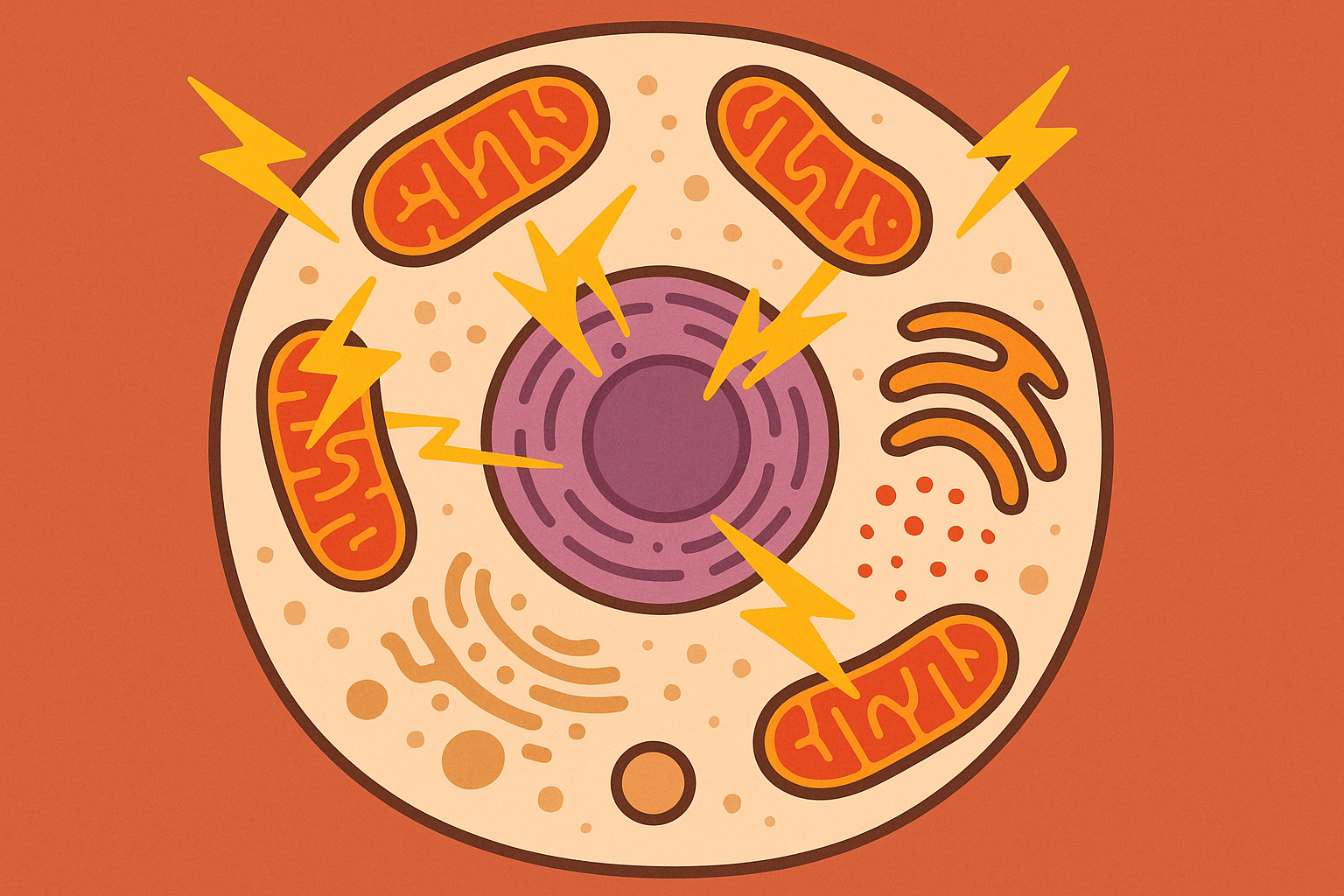
Your mitochondria don’t just make energy—they control your entire metabolic system. When they’re healthy, you feel sharp, energized, and resilient. But when they’re not working right, you get a cascade of problems that show up as persistent fatigue, hormone issues, muscle weakness, and brain fog.
Getting older naturally messes with mitochondrial function, leading to more cellular damage and less energy production. This creates a nasty cycle where damaged mitochondria produce more harmful molecules, causing even more damage to the mitochondrial DNA—which doesn’t have the same repair systems as regular DNA.
Environmental stuff makes this worse. Heavy metals mess with mitochondrial enzymes, while pesticides and chemicals from everyday plastics disrupt how your cells make energy. Even some medications, including statins and certain antibiotics, can hurt mitochondrial function as an unintended side effect.
Your brain, which uses massive amounts of energy, gets hit especially hard when mitochondria aren’t working well. Healthy mitochondria are essential for brain plasticity, making neurotransmitters, and keeping your neurons functioning properly. When mitochondrial health suffers, your thinking takes a direct hit.
The 5 Things You Need to Know Before Starting
Before you jump into any mitochondrial improvement strategy, you need to understand five key things that determine whether you’ll succeed or waste your time and money. I learned this the hard way after trying random supplements without understanding how they actually worked.
| Critical Factor | What to Consider | Why It Matters |
|---|---|---|
| Scientific Evidence | Peer-reviewed research, clinical trials, safety data | Makes sure what you’re doing actually works and is safe |
| Your Individual Situation | Current health, age, medical conditions, genetics | Determines what will actually work for you |
| Practical Reality | Cost, accessibility, fitting it into your life | Prevents failure due to unrealistic expectations |
| How It Actually Works | What it does at the cellular level | Helps you choose things that work well together |
| Professional Help | When you need medical supervision | Keeps you safe and gets better results |
Scientific Evidence & Safety is your foundation. You want stuff backed by real research and clinical studies, not just promising theories. Randomized controlled trials are better than observational studies, and you need to consider potential side effects for your specific situation.
Your Individual Situation shapes everything. Your current mitochondrial health, age, fitness level, and existing health conditions all influence what will work best for you. Genetic factors matter too—some people process certain supplements differently based on their genes.
Practical Reality determines long-term success. The most scientifically sound intervention won’t help if you can’t afford it, access it consistently, or fit it into your actual life. You need measurable ways to track progress to stay motivated.
How It Actually Works reveals whether an intervention goes deep enough. Does it help create new mitochondria, improve existing function, or repair damaged ones? Understanding whether it impacts energy production, reduces cellular damage, or enhances repair helps you choose things that work well together.
Professional Help Requirements keep you safe and get better results. Some interventions need medical supervision, monitoring, or coordination with existing treatments. Knowing when to get professional help prevents dangerous interactions and maximizes effectiveness.
These five factors work together to create your personalized roadmap. They help you prioritize interventions, avoid wasted effort, and build a sustainable plan that actually improves your energy levels.
Nutritional Powerhouses: 7 Ways to Feed Your Cellular Engines
Look, I’m going to be straight with you – nutrition for energy isn’t as simple as drinking more coffee (though I still do that too). Your cells need specific stuff to make energy, and most of us are running on empty because we’re missing the basics.

1. NAD+ Supplementation
This one’s kind of a big deal. NAD+ is like premium fuel for your cells, but here’s the kicker – your levels tank as you get older. By 40, you’ve got about half of what you had at 20. No wonder everything feels harder.
Multiple clinical studies show NAD+’s ability to support mitochondrial function and energy metabolism. It’s generally safe for most adults, though you should talk to your doctor if you’re taking medications. I’ll be honest – good NAD+ isn’t cheap. You’re looking at real money here, not drugstore vitamin prices.
The mechanism is direct and powerful—NAD+ supports cellular energy production and activates mitochondrial repair processes. Professional guidance helps optimize dosing and monitor your response to treatment.
NAD+ therapy has become increasingly popular among those seeking to address cellular energy deficits, with many patients reporting significant improvements when following proper NAD+ injection protocols under medical supervision.
Sarah’s story hits home for me because I was in the exact same boat. Three cups of coffee by noon, still crashing by 3 PM. After three months of NAD+ supplementation (500mg daily), she reported sustained energy throughout the day and improved mental clarity during high-stress meetings. NAD+ didn’t turn her into a superhuman, but she stopped needing that afternoon nap just to function.
2. Coenzyme Q10 (CoQ10) Supplementation
This is probably the most boring name for something that’s actually pretty important. Think of CoQ10 as oil for your cellular engine – without it, things get grindy and inefficient. You can choose between ubiquinol (active form) at 100-300mg daily or ubiquinone at 200-600mg daily.
The good news? This one’s been studied to death, so we know it works. It’s safe for most people, though it may interact with blood thinners. The less good news? You need to take it consistently for months to really notice. Fortunately, it’s widely available at moderate cost.
CoQ10 works directly within the electron transport chain to facilitate ATP production. Minimal professional supervision is needed, making it an accessible starting point for mitochondrial support.
3. PQQ (Pyrroloquinoline Quinone) Supplementation
Okay, nobody can pronounce this, but here’s what matters – it might actually help you grow new mitochondria. Like, literally make more of those cellular power plants. Pretty cool, right? Typical dosing ranges from 10-40mg daily, often combined with CoQ10 for enhanced effects.
The research is still catching up, and it’s pricey, but combining it with CoQ10 seems to work better than either alone. Classic “the whole is greater than the sum of its parts” situation. It’s generally well-tolerated but comes at a higher price point than basic supplements.
The mechanism involves promoting new mitochondria formation and protecting existing ones from oxidative damage. Basic professional guidance is sufficient for most people starting PQQ supplementation.
4. Magnesium Optimization
Here’s something that’ll blow your mind – most of us are walking around magnesium deficient and don’t even know it. Your cells need this stuff for literally hundreds of processes, including making energy. Magnesium glycinate (400-600mg daily) or magnesium malate work best for energy support.
The best part? It’s cheap, available everywhere, and you might feel better pretty quickly. I noticed better sleep within a week, and better energy followed. Just don’t go crazy with the dose or you’ll be spending quality time in the bathroom. You’ll want to check for deficiency first, and those with kidney issues need caution.
This mineral is directly required for ATP synthesis and mitochondrial enzyme function. Blood testing helps determine your baseline levels and optimal dosing strategy.
Many people find that addressing magnesium deficiency significantly improves their energy levels, which is why understanding different magnesium forms and their specific benefits becomes crucial for optimal mitochondrial support.
5. B-Complex Vitamins
B vitamins are like the support crew for your energy production. You can have all the raw materials, but without these guys, nothing gets built properly. High-potency formulas with methylated forms—B12 as methylcobalamin and folate as 5-MTHF—work best for most people.
Here’s the thing though – not all B vitamins are created equal. Those cheap drugstore ones might not even absorb properly. Look for the methylated forms, especially if you’ve done genetic testing and know you have absorption issues. They’re generally safe and affordable, though genetic variations may require specific forms for optimal absorption.
These vitamins serve as cofactors in energy production pathways and mitochondrial enzyme systems. Genetic testing can inform which forms will work best for your individual biochemistry.
B12 deficiency is particularly common and can significantly impact cellular energy production, making B12 injection therapy an effective option for those with absorption issues or severe deficiency.
6. Alpha-Lipoic Acid (ALA)
This one’s a double-hitter – it helps protect your mitochondria from damage AND helps them work better. Think of it as both a bodyguard and a performance coach for your cells. The R-ALA form (300-600mg daily) offers better bioavailability than standard ALA.
If you’re diabetic, heads up – this stuff can lower blood sugar, so you’ll want to keep an eye on your levels. But for most people, it’s pretty straightforward. The supplement is moderately priced and widely available.
ALA provides antioxidant protection while supporting energy metabolism pathways. If you’re diabetic, professional monitoring helps prevent blood sugar complications.
7. Ketogenic Diet Implementation
Alright, let’s talk about the elephant in the room. Keto can be amazing for energy – your mitochondria actually prefer burning fat over sugar. But let’s be real about what you’re signing up for.
The first few weeks can suck. You might feel foggy, cranky, and like you have the flu. Your social life gets complicated when you can’t eat pizza or drink beer. But if you can stick it out, many people feel incredible after the adjustment period.
Strong research demonstrates improved mitochondrial efficiency on ketogenic diets. However, certain medical conditions require supervision, and the lifestyle change is significant, requiring education and planning.
Don’t try to wing this one. Seriously. Do your homework, plan your meals, and maybe work with someone who knows what they’re doing. I’ve seen too many people crash and burn trying to figure it out on their own.
Implementing a ketogenic approach for mitochondrial health can be enhanced by understanding proper meal planning, which is why following structured ketogenic diet protocols helps ensure nutritional adequacy while maintaining ketosis.
Movement Medicine: 5 Exercise Strategies That Multiply Your Mitochondria
Here’s something nobody tells you about exercise and energy – the wrong kind can actually make you more tired. But the right kind? It’s like upgrading your cellular power grid. These five exercise strategies trigger cellular adaptations that increase mitochondrial numbers, improve efficiency , and enhance overall energy production capacity.
| Exercise Type | Frequency | Duration | Mitochondrial Benefit | Equipment Needed |
|---|---|---|---|---|
| HIIT | 2-3x/week | 20-30 min | Triggers building new ones | Minimal |
| Resistance Training | 2-3x/week | 45-60 min | Increases density | Weights/gym |
| Zone 2 Cardio | 2-3x/week | 45-60 min | Improves efficiency | Cardio equipment |
| Cold Exposure | Daily | 2-15 min | Stimulates adaptation | Cold shower/ice bath |
| Heat Therapy | 3-4x/week | 15-30 min | Activates repair proteins | Sauna access |
8. High-Intensity Interval Training (HIIT)
HIIT is basically telling your cells, “Hey, we need more power plants in here!” and your body responds by building them. Twenty minutes, 2-3 times a week, and you’re good. Try 20-30 minute sessions with 30 seconds high intensity followed by 90 seconds recovery.

But here’s the catch – if you’re already exhausted, jumping into intense exercise might make things worse initially. Start where you are, not where you think you should be. You need an adequate fitness base, and heart conditions require medical clearance.
HIIT triggers PGC-1α activation, which promotes new mitochondria formation. A fitness assessment before starting helps prevent injury and ensures appropriate intensity levels.
9. Resistance Training
Lifting weights isn’t just about looking good in a tank top (though that’s nice too). It’s about building muscle that’s packed with healthy mitochondria. Focus on compound movements like squats, deadlifts, and rows 2-3 times weekly.
You don’t need to become a powerlifter. Basic compound movements hit multiple muscle groups and give you the most bang for your buck. Strong evidence supports resistance training’s ability to build muscle mitochondrial density. It’s adaptable to all fitness levels, though it requires gym access or home equipment investment.
This approach increases muscle mass and mitochondrial content per muscle fiber. Proper form instruction prevents injury and maximizes mitochondrial benefits.
10. Zone 2 Cardio Training
This is the “conversational pace” stuff – you should be able to talk while you’re doing it, but you’re definitely working. It’s not sexy, but it’s incredibly effective for building mitochondrial efficiency. Aim for 45-60 minutes at conversational pace 2-3 times weekly.
The The time commitment is real though. We’re talking 45-60 minutes, multiple times a week. Not everyone has that kind of time, and that’s okay. Do what you can consistently rather than what’s perfect occasionally.
Strong evidence supports Zone 2’s ability to enhance mitochondrial respiratory capacity and efficiency. It’s safe for most people and excellent for beginners, though it requires significant time commitment.
This training enhances mitochondrial respiratory capacity and fat oxidation efficiency. Heart rate monitoring helps identify and maintain the optimal training zone.
11. Cold Exposure Therapy
Cold showers and ice baths are having a moment, and there’s actually some science behind the hype. Cold stress triggers your mitochondria to adapt and get stronger. Try cold showers (2-3 minutes at 50-60°F), ice baths (10-15 minutes at 50-59°F), or cryotherapy sessions.
Start small – like, really small. Thirty seconds of cold water at the end of your shower. Work up from there. Don’t be a hero and jump into an ice bath on day one.
Moderate but growing research supports cold exposure’s mitochondrial benefits. It’s contraindicated for certain heart conditions and requires gradual adaptation to prevent shock.
Cold exposure stimulates mitochondrial biogenesis through cold-shock protein activation. Medical clearance is important if you have cardiovascular conditions.
12. Heat Therapy (Sauna)
Saunas are like the opposite of cold therapy – they stress your system in a good way and activate repair processes. Plus, they feel amazing, which is a nice bonus. Traditional saunas work well at 15-20 minutes at 175-195°F, while infrared saunas allow 20-30 minutes at 120-140°F.

The downside? Good saunas are expensive, and gym saunas are often broken or gross. If you can find a clean, hot sauna and use it regularly, it’s worth it.
Good evidence supports heat shock proteins’ role in mitochondrial health. Hydration and cardiovascular status are important considerations, and sauna access is required.
Heat shock proteins promote mitochondrial repair and function. Proper hydration guidance and health screening help ensure safe and effective sessions.
Recovery Revolution: 4 Sleep & Stress Solutions for Cellular Repair
Let me tell you something that took me way too long to learn – you can’t supplement your way out of bad sleep and chronic stress. Your mitochondria need downtime to repair themselves, just like you do. These four strategies address sleep quality, circadian rhythms, stress reduction, and structured recovery protocols that create optimal conditions for mitochondrial restoration.
13. Sleep Quality Optimization
This is probably the most important thing on this entire list, and it’s the one most people want to skip. I get it – optimizing sleep sounds boring compared to fancy supplements. Aim for consistent 7-9 hours nightly with proper sleep hygiene—cool, dark environment and regular schedule.
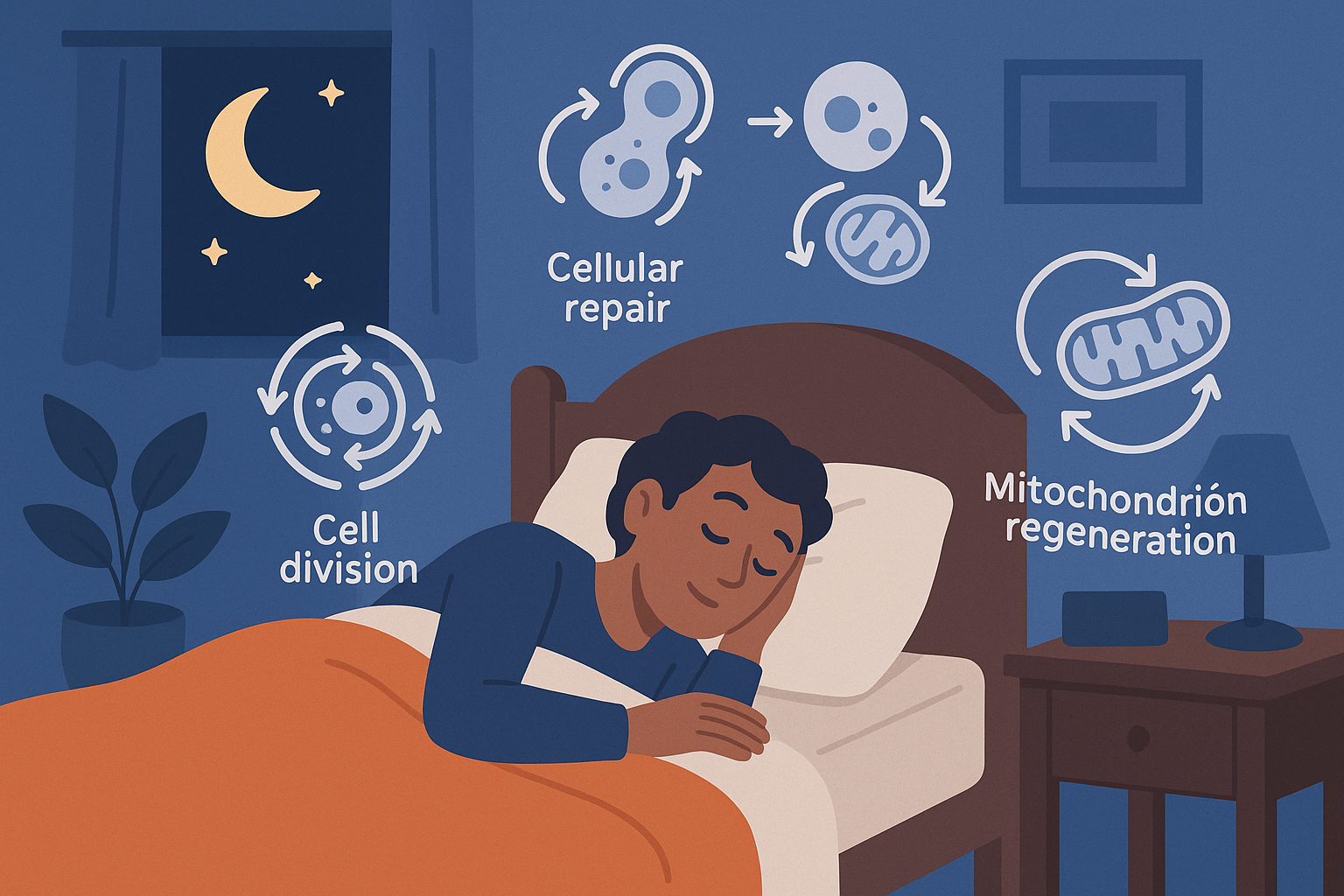
But here’s the deal – if you’re not sleeping well, nothing else matters. Your mitochondria do most of their repair work while you sleep. Skimp on sleep, and you’re basically sabotaging everything else you’re trying to do.
Excellent evidence demonstrates sleep’s critical role in mitochondrial repair and cellular waste clearance. Sleep disorders require professional treatment, and environmental modifications may be necessary.
Sleep allows essential mitochondrial repair processes and cellular waste clearance to occur. Persistent sleep issues may require professional evaluation through sleep studies.
Creating the optimal sleep environment is crucial for mitochondrial recovery, which is why implementing comprehensive sleep hygiene protocols often provides the foundation for sustained energy improvements.
Mark’s story resonates because I did the exact same thing – tried to fix my energy with everything except the obvious problem. After implementing a strict sleep hygiene protocol—blackout curtains, 68°F bedroom temperature, and consistent 10:30 PM bedtime—his afternoon fatigue disappeared within two weeks. Turns out, my bedroom was too hot, too bright, and I was going to bed at random times. Fixed that, fixed my energy.
14. Circadian Rhythm Regulation
Your body has an internal clock, and when it’s messed up, everything else gets messed up too. Morning light exposure (10-30 minutes), consistent meal timing, and blue light blocking in the evening help maintain synchronization.
Morning light, consistent meal times, avoiding screens before bed – it sounds simple because it is simple. Shift workers have it rough here, and I don’t have easy answers for that. Do what you can to stay consistent, even if your schedule is all over the place.
Strong evidence links circadian rhythms to mitochondrial function regulation. Shift workers face additional challenges, but lifestyle consistency and discipline can help most people.
Circadian rhythms synchronize cellular clocks that control mitochondrial activity patterns. Severe disruptions may benefit from chronotherapy consultation.
15. Stress Management Techniques
Chronic stress is like having your cellular emergency alarm going off 24/7. Your mitochondria can’t repair themselves when they’re constantly in crisis mode. Daily meditation (10-20 minutes), yoga, deep breathing exercises, or progressive muscle relaxation provide protection.
You don’t need to become a meditation guru. Even 10 minutes of deep breathing or a short walk can help. Find something that actually works for your life, not what works for some wellness influencer.
Strong evidence shows chronic stress damages mitochondria while stress reduction techniques provide protection. These approaches are generally beneficial for everyone with various accessible options.
Stress management reduces cortisol and oxidative stress that damage mitochondrial structure and function. Chronic stress or anxiety may benefit from additional mental health support.
16. Recovery Protocol Implementation
This is for the overachievers who think more exercise is always better. Sometimes you need to do less, not more. Rest days aren’t lazy – they’re when the magic happens. Include planned rest days, active recovery sessions, massage, and training load monitoring to prevent excessive stress.
Listen to your body. If you’re dragging through workouts, sleeping poorly, or getting sick often, you might be overdoing it.
Good evidence shows overtraining impairs mitochondrial function while proper recovery allows adaptation. This requires planning and self-awareness of your body’s signals.
Recovery protocols prevent excessive oxidative stress while allowing mitochondrial adaptation to training stimuli. Professional guidance helps optimize the training-recovery balance.
Environmental Optimization: 5 Lifestyle Hacks for Mitochondrial Protection
Your environment is constantly affecting your cells, usually in ways you don’t even notice. Some of this stuff might sound a little “woo-woo,” but there’s real science behind it. These five strategies help protect mitochondria from damage while providing supportive environmental conditions for optimal function.
17. Toxin Reduction and Detoxification
Look, you don’t need to live in a bubble, but reducing your toxic load can help your mitochondria function better. Filter your water, choose organic when it makes sense, and maybe don’t spray Febreze on everything. Filter drinking water, choose organic foods when possible, use natural cleaning products, and support liver detoxification function.

This can get expensive fast if you go overboard. Start with the basics – clean water and air – and work from there.
Moderate to strong evidence links environmental toxins to mitochondrial damage. This approach can be expensive and requires lifestyle changes, while genetic variations affect individual detoxification capacity.
Toxin reduction decreases oxidative burden on mitochondria from environmental sources. Functional medicine testing can help identify your specific toxic burden and detoxification needs.
18. Intermittent Fasting
Fasting gives your digestive system a break and triggers cellular cleanup processes. It’s like giving your cells time to take out the trash. Try the 16:8 method (16-hour fast, 8-hour eating window) or 24-hour fasts 1-2 times weekly.
Don’t make it complicated. Skip breakfast or dinner, whichever feels easier. If you have blood sugar issues or an eating disorder history, definitely talk to someone first.
Strong evidence supports intermittent fasting’s ability to trigger cellular cleanup and metabolic adaptation. It’s not suitable for everyone (diabetes, eating disorders) and requires meal timing adjustments.
Fasting triggers cellular cleanup processes and metabolic adaptation that benefit mitochondrial health. Medical supervision is important for those with health conditions.
Jennifer’s experience is pretty typical – the first week or two can be rough as your body adjusts, but then many people feel more stable energy throughout the day. She implemented 16:8 intermittent fasting by skipping breakfast and eating between noon and 8 PM. Within six weeks, she experienced improved mental clarity during morning classes, stable energy levels throughout the day, and lost 12 pounds without changing her food choices during eating windows.
19. Red Light Therapy
This one sounds like science fiction, but specific wavelengths of red light can actually stimulate your mitochondria. It’s like photosynthesis for humans. Use 660nm and 850nm wavelengths for 10-20 minutes daily with full-body panels or targeted devices.
The devices aren’t cheap, and you need to use them consistently. But if you’re trying everything else anyway, it might be worth a shot.
Moderate but growing research supports photobiomodulation’s mitochondrial benefits. It’s generally safe with proper eye protection, though it requires device investment and time commitment.
Red light stimulates cytochrome c oxidase in the mitochondrial electron transport chain, enhancing energy production. Professional guidance helps with device selection and optimal protocols.
20. Grounding/Earthing Practice
Walking barefoot on grass or dirt might reduce inflammation. The science is still early, but it’s free and feels good, so why not? Grounding involves direct barefoot contact with earth for 20-30 minutes daily, or using grounding mats and conductive sheets indoors.
Weather-dependent and not always practical, but when you can do it, it’s pretty pleasant.
Limited but promising research suggests grounding may reduce oxidative stress. It’s generally safe and free, though weather and location dependent for outdoor practice.
The proposed mechanism involves electron transfer that reduces oxidative stress on mitochondria. Minimal professional supervision is needed for this accessible practice.
21. EMF Reduction Strategies
This one’s controversial. Some people swear that reducing electromagnetic fields helps their energy, others think it’s nonsense. The research is mixed. EMF reduction strategies include using airplane mode at night, EMF shielding devices, and keeping electronic devices away from your sleeping area.
Simple stuff like putting your phone in airplane mode at night costs nothing and might help you sleep better anyway.

Emerging research suggests EMF may affect cellular function, though individual sensitivity varies significantly. These strategies require lifestyle modifications and increased awareness of electronic device usage.
The proposed mechanism involves reducing cellular stress and improving sleep quality. EMF assessment may help identify exposure levels for sensitive individuals.
Advanced Arsenal: 4 Cutting-Edge Therapeutic Interventions
Okay, now we’re getting into the expensive, complicated stuff. These aren’t for everyone, but if you’ve tried everything else and you’re still struggling, they might be worth considering. These four strategies require professional supervision but provide direct cellular benefits for serious cases.
| Therapy | Mechanism | Evidence Level | Cost | Supervision Required |
|---|---|---|---|---|
| HBOT | Increases oxygen delivery | Good | High | Medical facility |
| Ozone Therapy | Improves cellular oxygenation | Limited | Moderate | Qualified practitioner |
| Peptide Therapy | Direct mitochondrial targeting | Emerging | High | Specialized physician |
| Glutathione | Master antioxidant support | Strong | Moderate | IV requires medical |
22. Hyperbaric Oxygen Therapy (HBOT)
Breathing pure oxygen in a pressurized chamber sounds like something from a sci-fi movie, but it can genuinely help some people. It’s just expensive and time-consuming. HBOT involves breathing 100% oxygen in a pressurized chamber for 60-90 minutes at 1.5-3.0 atmospheres of pressure.
This is definitely “see a professional” territory. Don’t try to DIY this one.
Good research demonstrates HBOT’s mitochondrial benefits, though certain lung conditions are contraindicated. It’s expensive and requires specialized facility access with trained operators.
HBOT increases oxygen delivery and stimulates mitochondrial biogenesis through enhanced cellular oxygenation. Medical supervision is required for safety and protocol optimization.
23. Ozone Therapy
Ozone therapy is legally murky and scientifically controversial. Some people swear by it, others think it’s dangerous. If you’re considering this, do your homework and find someone who really knows what they’re doing. Ozone therapy includes ozonated water, rectal insufflation, or IV ozone administration where legally available.
Limited research exists for ozone’s mitochondrial effects, and G6PD deficiency is contraindicated. Availability is limited due to regulatory restrictions that vary by location.
The proposed mechanism involves improved cellular oxygenation and pathogen reduction. Administration must be performed by qualified practitioners familiar with safety protocols.
24. Peptide Therapy
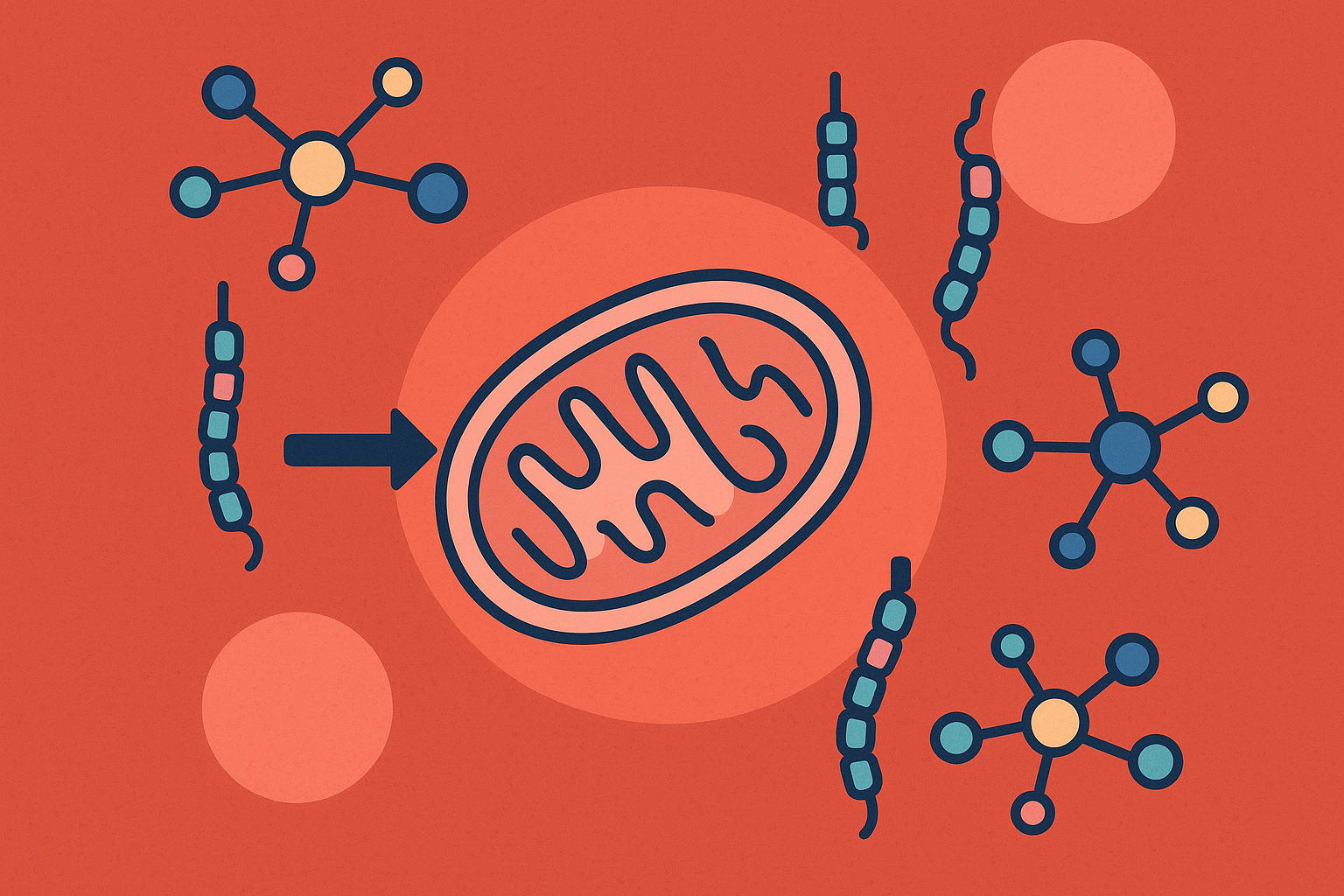
Peptides that specifically target mitochondria are cutting-edge stuff. The research is promising but limited, and it’s expensive with limited availability. Peptide therapy uses mitochondria-targeted peptides like SS-31 (Elamipretide) or MOTS-c that directly target mitochondrial function and cellular protection mechanisms.
This is definitely advanced territory that requires medical supervision.
Emerging research shows promise, but human trials are limited. These therapies are expensive with limited availability and require comprehensive health assessment before starting.
Peptides directly target mitochondrial function and protection at the cellular level. Specialized medical supervision is essential for safety and protocol management.
25. Glutathione Therapy
Glutathione is your body’s master antioxidant, and getting it directly can help protect your mitochondria from damage. IV therapy is most effective but requires medical supervision. Glutathione therapy supports your body’s master antioxidant system through IV administration, liposomal oral forms, or precursors like N-acetylcysteine.
This one has good science behind it and is generally safe, making it more accessible than some other advanced options.
Strong evidence supports glutathione’s role as the master antioxidant crucial for mitochondrial protection. It’s generally safe, though some people have sulfur sensitivity reactions.
Glutathione protects mitochondria from oxidative damage while supporting cellular detoxification processes. IV therapy requires medical supervision, while oral forms are more accessible.
Glutathione represents one of the most effective antioxidant therapies for mitochondrial protection, with detailed protocols available for glutathione injection therapy under proper medical guidance.
How Enov.One Bridges the Gap Between Basic and Advanced Mitochondrial Support
Here’s the reality – sometimes lifestyle changes and drugstore supplements aren’t enough. You’ve cleaned up your diet, you’re sleeping better, you’re exercising, and you still feel like you’re running on fumes.

That’s where medical-grade support comes in. Enov.One provides pharmaceutical-quality compounds that you can’t get at the health food store, with actual medical oversight to make sure you’re doing it safely.
NAD+ Therapy stands as their cornerstone offering. While you can find NAD+ supplements at health stores, Enov.One provides pharmaceutical-grade NAD+ through convenient at-home injections. With up to 20 doses per vial and compounding through FDA-regulated US pharmacies, you’re getting the potency and purity needed for real restoration.
Glutathione Support addresses the oxidative stress that damages mitochondria in the first place. Their glutathione therapy helps protect and restore function while supporting your body’s master antioxidant system—something basic supplements often can’t achieve effectively.
B12/Methylcobalamin ensures your mitochondrial enzymes have the cofactors they need for optimal energy metabolism. Many people have absorption issues that prevent oral B12 from reaching therapeutic levels, making their injection program particularly valuable.
What sets Enov.One apart is their personalized medical oversight. Board-certified physicians evaluate your individual health status, monitor your progress, and adjust treatment plans based on your response—something you can’t get from over-the-counter approaches.
Serving 48 states with fast, free shipping and 24/7 medical support, Enov.One removes the barriers that prevent people from accessing professional-grade support. If you’re serious about addressing mitochondrial dysfunction and achieving sustainable energy improvements, their medical-grade approach provides the tools your cells actually need to thrive.
Is it more expensive than DIY supplements? Yes. But if you’re serious about fixing persistent energy problems and you’ve already tried the basics, professional-grade support might be what you need.
Ready to stop settling for low energy? Discover how Enov.One’s physician-supervised support can help you reclaim your vitality and mental clarity.
Final Thoughts
Look, I’m not going to promise you’ll feel like a teenager again or that you’ll have unlimited energy. That’s not realistic, and anyone who promises that is probably trying to sell you something.

What I will say is this – your energy problems probably aren’t all in your head, and there are real things you can do about them. Your mitochondria don’t operate in isolation—they respond to everything from the food you eat to the air you breathe, the way you move, and how well you sleep. The 25 strategies we’ve covered work synergistically, meaning combining multiple approaches often produces better results than focusing on just one or two interventions.
Start with the basics that make sense for your situation and budget. Sleep, stress, basic nutrition, and some movement will get most people pretty far. If you’re dealing with basic fatigue, begin with sleep optimization, magnesium supplementation, and Zone 2 cardio. For more persistent energy issues, consider adding NAD+ support, intermittent fasting, and HIIT training to your protocol.
If you’re still struggling after giving the fundamentals a real shot (and I mean months, not weeks), then consider the more advanced stuff. But don’t skip straight to the expensive interventions hoping for a quick fix.
Remember that improvement takes time—you’re literally rebuilding your cellular energy infrastructure. Most people start feeling somewhat better within a few weeks of making changes, with more significant improvements over 2-3 months of consistent implementation.
Don’t underestimate the importance of professional guidance, especially if you’re dealing with chronic health conditions or considering advanced interventions. The right medical support can accelerate your progress while preventing potentially dangerous interactions or side effects.
And remember – some days you’ll still be tired. That’s normal. We’re not trying to eliminate all fatigue from your life, just get you back to feeling human most of the time.
Your mitochondria have been keeping you alive this whole time, even when they’re not working optimally. Give them some support, and they’ll probably return the favor. Your energy levels, mental clarity, and long-term health all depend on these microscopic powerhouses functioning optimally. The investment you make in mitochondrial health today pays dividends in how you feel, perform, and age for decades to come.